Journal
The Scalp Microbiome: The Next Frontier in Hair Loss Prevention
Phase Theory Research
March 10, 2026 · 6 min read

For decades, the conversation around hair loss has been dominated by genetics and hormones. But a growing body of research is shifting that paradigm — pointing instead to the invisible ecosystem living on your scalp.
The scalp microbiome — a complex community of bacteria, fungi, and other microorganisms — plays a critical role in maintaining follicle health, regulating sebum production, and protecting against the inflammatory cascades that trigger premature hair shedding.
What the Research Shows
A landmark study published in the Journal of Investigative Dermatology found that patients with androgenetic alopecia showed significantly lower microbial diversity on their scalps compared to controls with healthy hair density. The implication is clear: a disrupted microbiome may be both a consequence and a driver of hair loss.
Specifically, researchers identified that overgrowth of Cutibacterium acnes and Malassezia globosa — common scalp residents — appears to trigger localized inflammation around the follicle, shrinking the dermal papilla and shortening the anagen (growth) phase.
The Phase Theory Approach
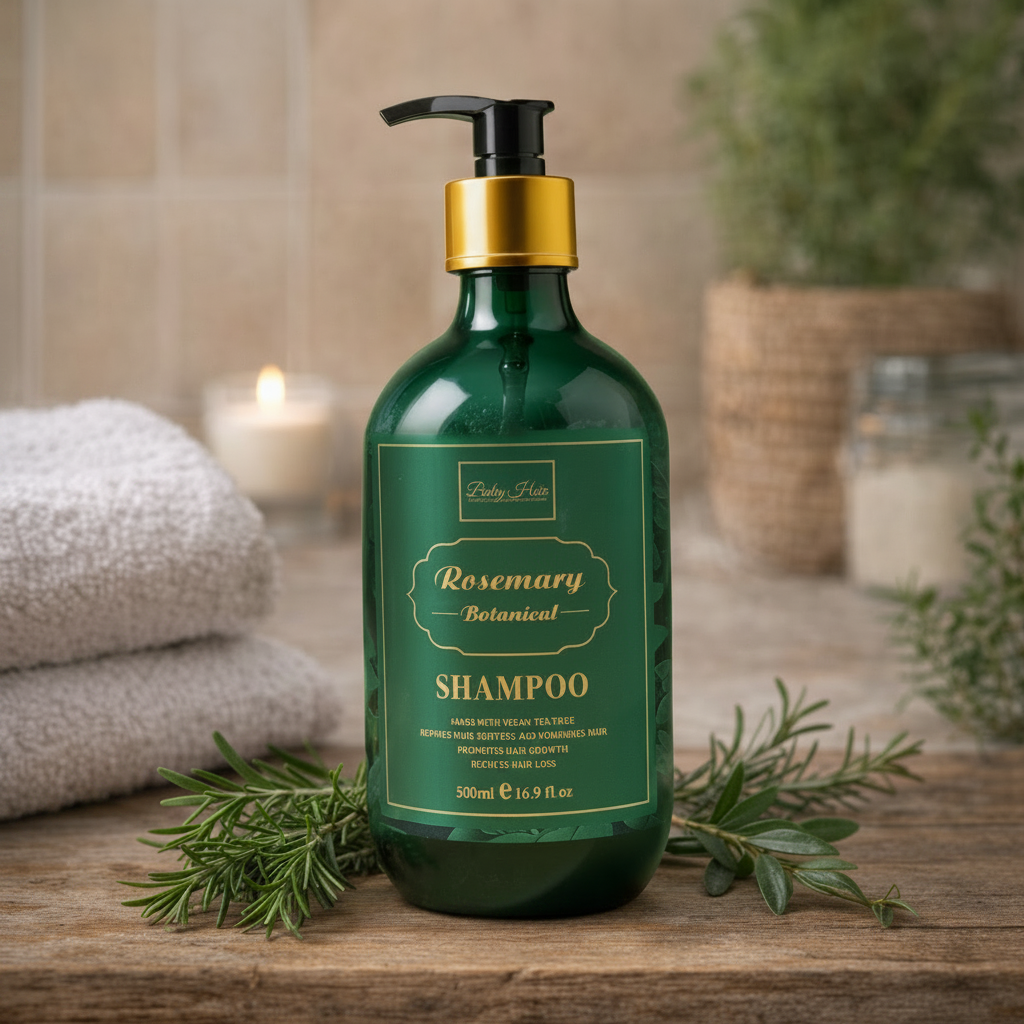
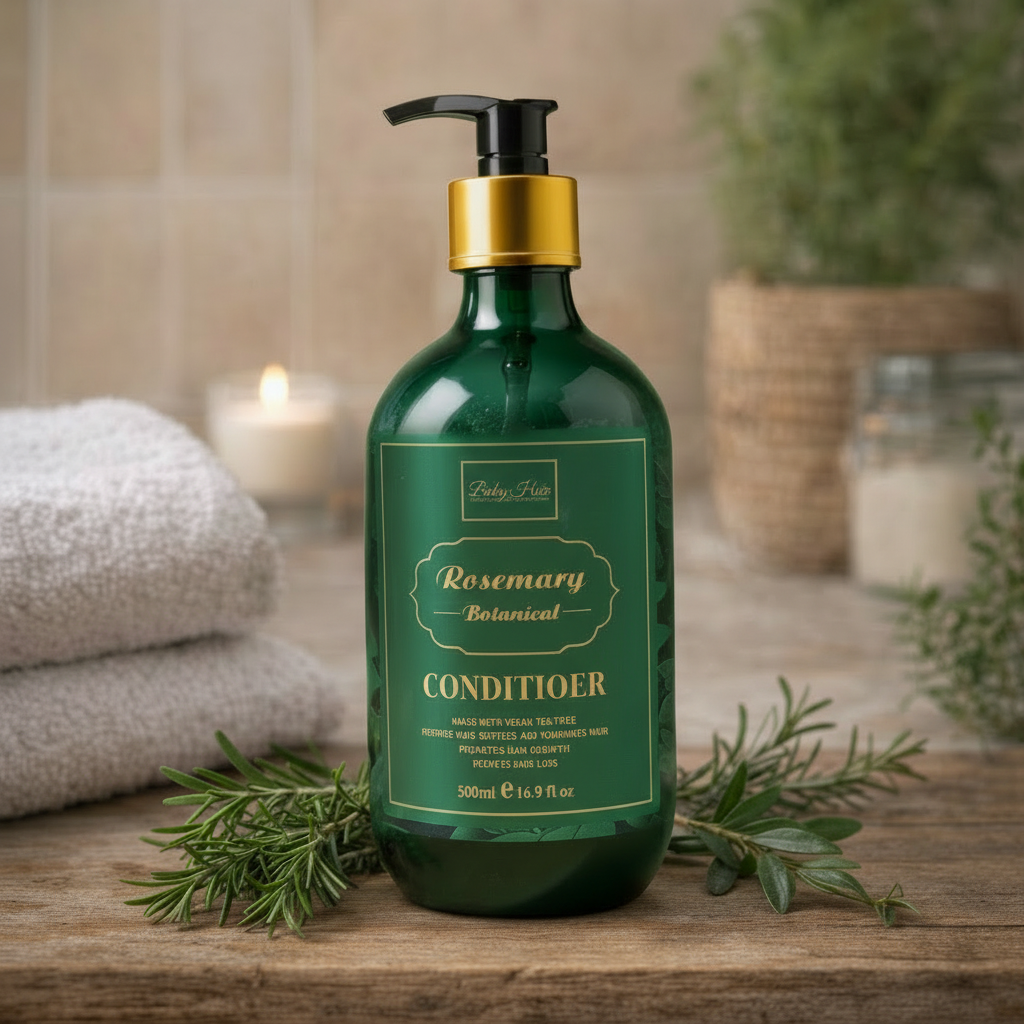
Our formulation philosophy begins here. Rather than targeting symptoms on the surface, our actives are selected to restore and maintain microbial equilibrium. Tea tree and rosemary work in concert — one regulating pathogenic overgrowth, the other stimulating blood flow to nourish a balanced ecosystem.
The future of scalp care is not about stripping and starting over. It is about cultivating the right environment for your follicles to thrive — naturally, sustainably, and with scientific precision.
Share this article
Phase Theory Research
Phase Theory Beauty Co.
Shop the Science
Products formulated with the actives featured in this article.