Journal
Generational Wellness: What Are We Really Passing Down About Hair?
Dr. Bre Hayward
August 12, 2026 · 9 min read · Updated August 12, 2026
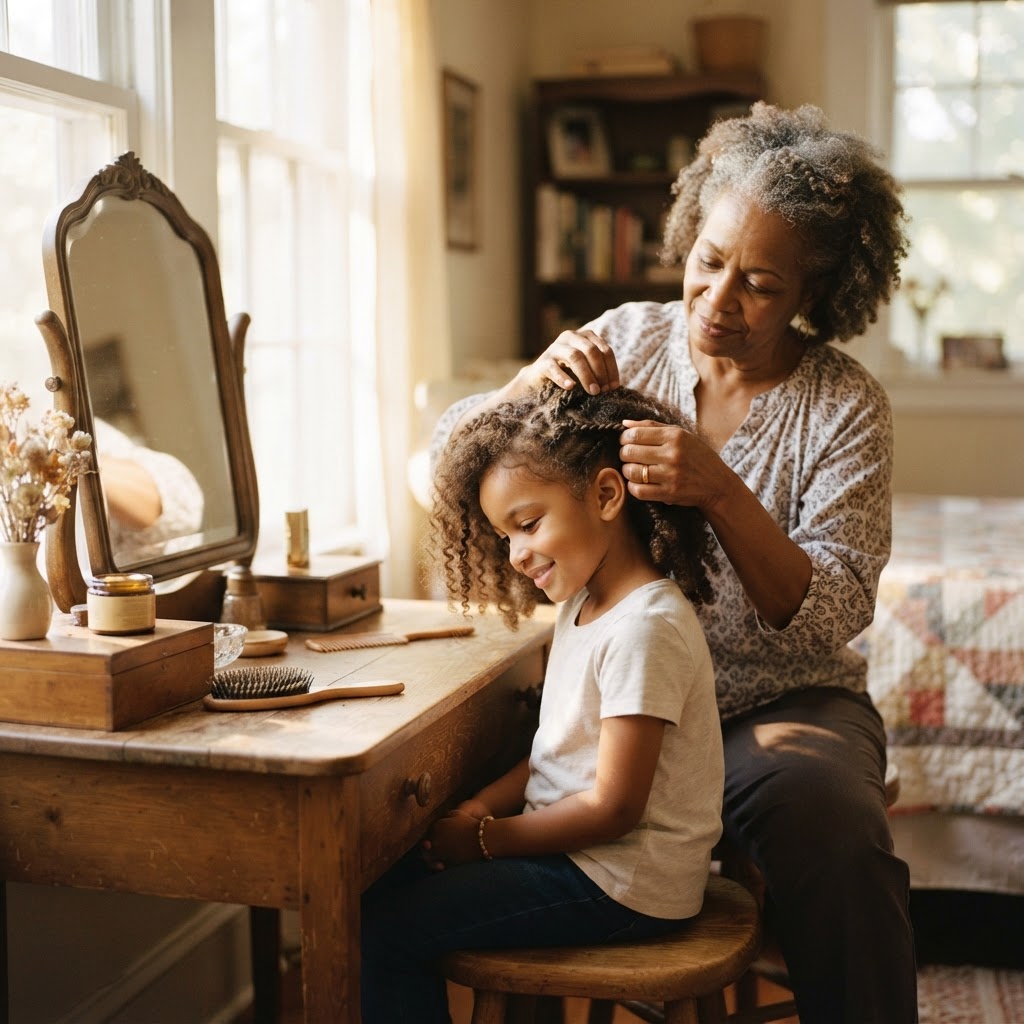
Before you ever understood your own hair, someone else probably cared for it.
A parent parted your scalp. A grandmother oiled it on Sunday mornings. A caregiver sat you between their knees and worked through tangles with a patience you didn't yet have for yourself. Long before you knew your curl pattern, your porosity, or your scalp's temperament, you knew the smell of the oils, the rhythm of the combing, and the feeling of being tended to. Those early moments are where our relationship with hair begins — and where, quietly, a legacy begins too.
Hair traditions are inherited. Hair science usually isn't.
From Generational Wealth to Generational Wellness
We talk often about generational wealth — the financial resources, opportunities, and assets we leave to the next generation. It is a worthy conversation. But it is an incomplete one.
Families pass down far more than money. We pass down knowledge, habits, beliefs, routines, cultural practices, and an entire relationship with our hair and our bodies. We pass down the way we speak about our texture, the products we reach for first, the remedies we trust, and the ones we were taught to fear. We pass down confidence — or, sometimes, the absence of it.
Generational wealth is what we leave behind. Generational wellness is what we teach forward.
At Phase Theory, we call this Generational Wellness: the process of improving the knowledge, behaviors, and hair-health practices that families pass from one generation to the next. It is not a rejection of tradition. It is an evolution of it — the moment each generation gets to better understand why certain practices work, recognize when they don't, and make more informed choices.
The Phase Theory Framework: Four Factors That Shape Generational Wellness
Generational Wellness is the outcome of understanding four interconnected factors. Each one influences the hair on your head — and the knowledge you eventually hand to the next person who sits between your knees.
Biology — What You Were Born With
Your hair begins with biology: genetics, scalp characteristics, density, texture, and growth patterns. These are the cards you were dealt, and they are more individual than most people realize. Two siblings raised under the same roof, fed from the same kitchen, can have entirely different hair and scalp needs — different curl patterns, different growth rates, different sensitivities.
Understanding biology means resisting the idea that one routine should work for everyone in a family. It means learning your own scalp the way you might learn your own skin — with curiosity rather than comparison. And it means teaching children early that their hair is not a problem to be solved, but a biology to be understood.
Behavior — What You Do
Behavior is the daily practice: how often you wash, how you style, how much heat you apply, how you protect your strands at night, which products you reach for and why. Behaviors are where inherited routines live — and where they quietly compound, for better or for worse, over years.
Some behaviors we inherit are gifts. The Sunday oiling, the protective styling before summer, the patience of sectioning rather than rushing. Others may have outlived their usefulness — not because the people who taught them were wrong, but because the products, the science, and the understanding have moved forward. Behavior is the most changeable of the four factors, and therefore the most powerful.
Environment — What Your Hair Is Exposed To
Your hair does not exist in a vacuum. It lives in climate and humidity, in hard water and soft, in chlorine and sun, in the dry air of winter and the heavy heat of August. Environment shapes scalp needs in ways that inherited routines can't always account for — a wash-day tradition built in a humid climate may need adjustment in a dry one, and vice versa.
Recognizing environment means giving yourself permission to adapt. It means understanding that a routine that worked in one season of life, or one city, or one decade, may need to evolve in another. That is not failure. That is awareness.
Education — What You Understand
Education is the bridge between the other three factors and the future. It is the decision to learn why your hair behaves the way it does, to question the misinformation that surrounds hair care, to read an ingredient label instead of trusting the front of the bottle, and to make informed choices rather than relying on hair type alone or on routines inherited without question.
This is the factor most often skipped — and the one with the longest reach. Because education is what you pass forward. Products run out. Routines change. But the understanding you hand a child about their own hair is something no one can take from them.
Generational Wellness — What You Pass Forward
When biology, behavior, environment, and education come together, the result is Generational Wellness: the ability to pass better hair-health knowledge to the next generation — not by erasing what came before, but by building on it.
Before most people understand their own hair, someone else cares for it. A parent, grandparent, caregiver, stylist, or sibling becomes a child's first hair teacher. We inherit wash-day routines, styling traditions, products, remedies, beliefs, terminology, and attitudes toward our hair. Some of those traditions are valuable and deserve to be preserved. Some practices may need to evolve as knowledge evolves.
Phase Theory believes the goal is not to erase tradition. The goal is simpler, and more honest:
Keep what serves us. Understand why it works. Change what doesn't. Pass better knowledge forward.
Honoring Tradition, Evolving Practice
There is a quiet harm in the way hair care is sometimes framed — as though traditional, cultural, and family practices are obstacles to be overcome on the path to 'proper' science. That framing is wrong, and we reject it.
The grandmother who oil-rinsed her grandchildren's scalps was practicing scalp hydration before it had a clinical name. The parent who braided before swimming was practicing protective styling before it was a category. The traditions that run through families carry intelligence earned over generations of lived experience. Modern hair and scalp science does not replace that intelligence — it explains it, refines it, and occasionally corrects it. The two are collaborators, not competitors.
From Confusion to Confidence
Phase Theory is not simply another clinical scalp care company. Our work lives at the intersection of hair and scalp biology, individual behavior, environmental influences, consumer education, and generational wellness. We are, at our core, a hair wellness and education ecosystem — built to move consumers from confusion to confidence.
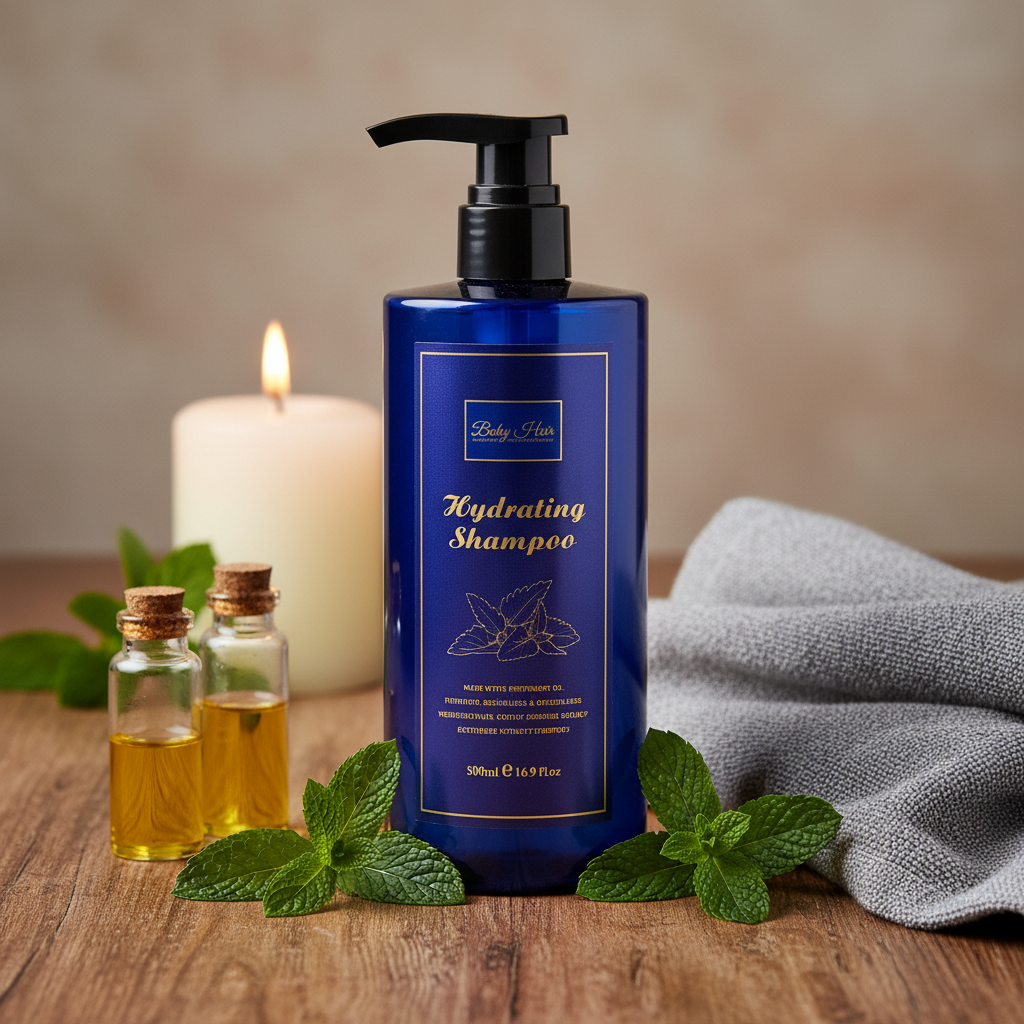
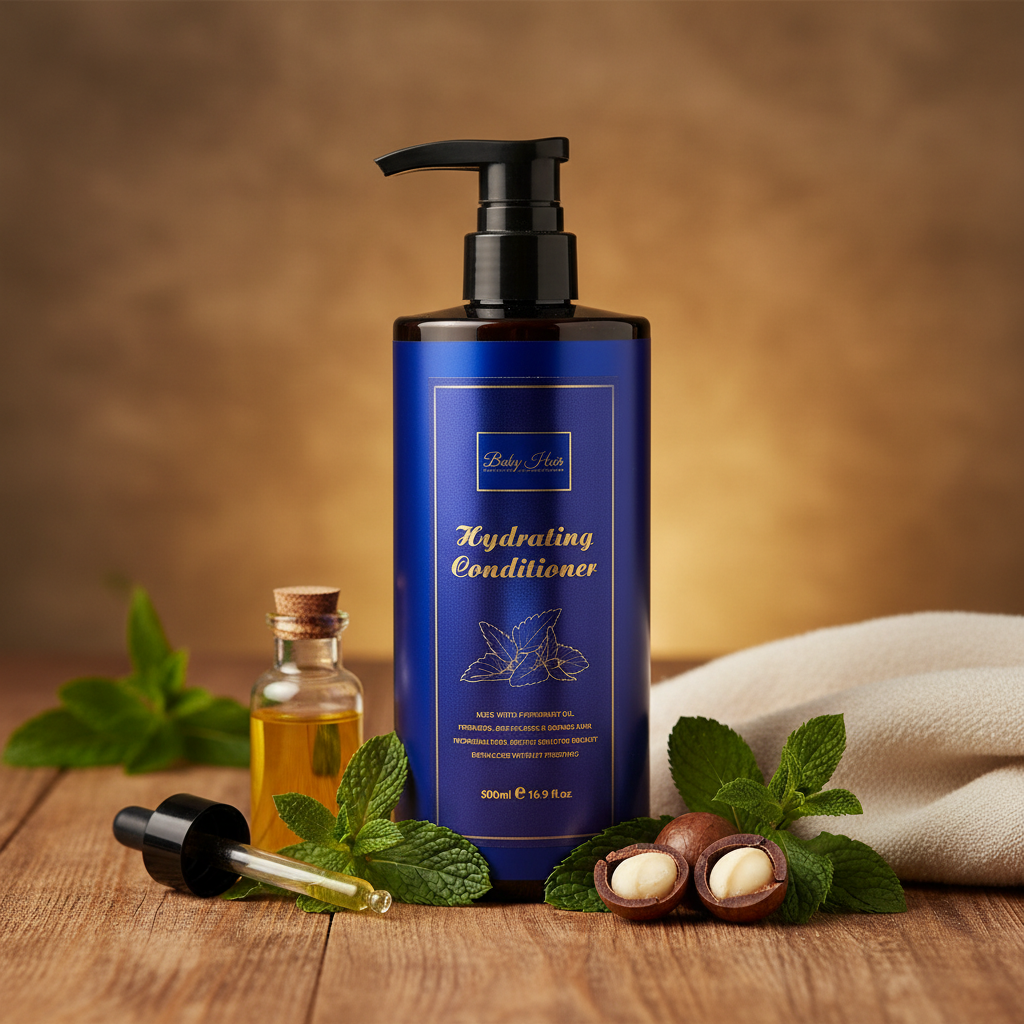
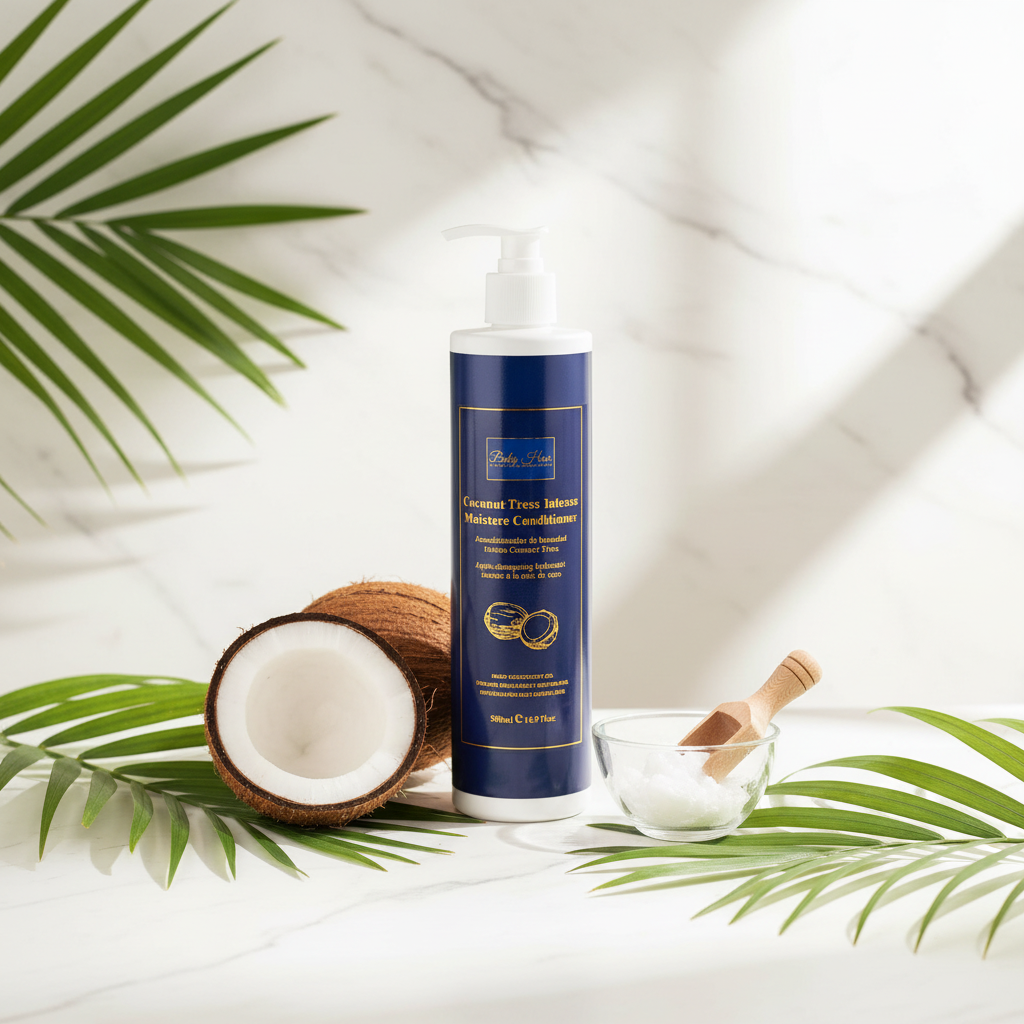
That mission extends naturally to children. Baby Hair® exists not as a product line alone, but as a philosophy: that the first years of hair care shape a lifetime of hair confidence. When we teach a child to understand their scalp rather than fight it, we are not just caring for their hair today — we are shaping what they will one day pass down.
What Are You Passing Down?
So we return to the question at the heart of all of this. Not only what products you use — but what knowledge you are passing down. What confidence. What understanding. What healthy practices the next generation will inherit from you, because you chose to learn them first.
Generational wellness, like generational wealth, compounds. The understanding you build today becomes the baseline your children start from tomorrow. That is the real inheritance — and it is one every family can leave, regardless of where they begin.
If you're ready to start building that understanding — for yourself, and for whoever comes next — explore our educational resources, or take the Hair Phase Quiz to begin understanding your own hair from the root.
Frequently Asked Questions
What is generational wellness in hair care?
Generational wellness in hair care is the process of improving the knowledge, behaviors, and hair-health practices that families pass from one generation to the next. It honors inherited traditions while applying modern hair and scalp science to better understand why certain practices work, recognize when they don't, and make more informed choices.
Are traditional family hair practices bad for your hair?
Not at all. Many traditional and cultural hair practices carry real intelligence — oil-rinsing, protective styling before swimming, and patient sectioning are all examples that modern science helps explain rather than replace. The goal is to keep what serves your hair, understand why it works, and evolve what no longer does — not to erase tradition.
How can I teach my child healthy hair habits?
Start by teaching understanding rather than rules. Help your child learn their own scalp and hair characteristics, use gentle scalp-first products designed for young scalps, and explain the 'why' behind each step of their routine. Children who understand their hair early grow into adults who pass that confidence forward.
What is the difference between generational wealth and generational wellness?
Generational wealth refers to the financial resources and assets we leave behind. Generational wellness refers to the knowledge, habits, confidence, and healthy practices we teach forward. Both compound over time — but wellness is an inheritance every family can build, regardless of where they begin.
How does scalp health affect hair growth across generations?
The scalp is the living foundation every hair follicle grows from. A balanced, healthy scalp environment supports the anagen (growth) phase, while inflammation, microbial imbalance, and harsh products can shorten it. When families adopt scalp-first care early, the benefits — stronger growth, less shedding, better length retention — show up across a lifetime and get passed down as habit.
Where do I start if I want to understand my own hair?
Start with your scalp, not your styling. Learn your hair's biology (texture, porosity, growth patterns), notice how your behavior and environment affect it, and build from education rather than habit alone. Taking a hair phase quiz or exploring a science-based ingredient library is a practical first step — and one you can share with the next generation.
Share this article
Dr. Bre Hayward
Phase Theory Beauty Co.
Shop the Science
Products formulated with the actives featured in this article.