Journal
When Hair Changes With Age: Why Your Routine May Need to Change Too
Dr. Bre Hayward
November 18, 2026 · 7 min read · Updated November 18, 2026
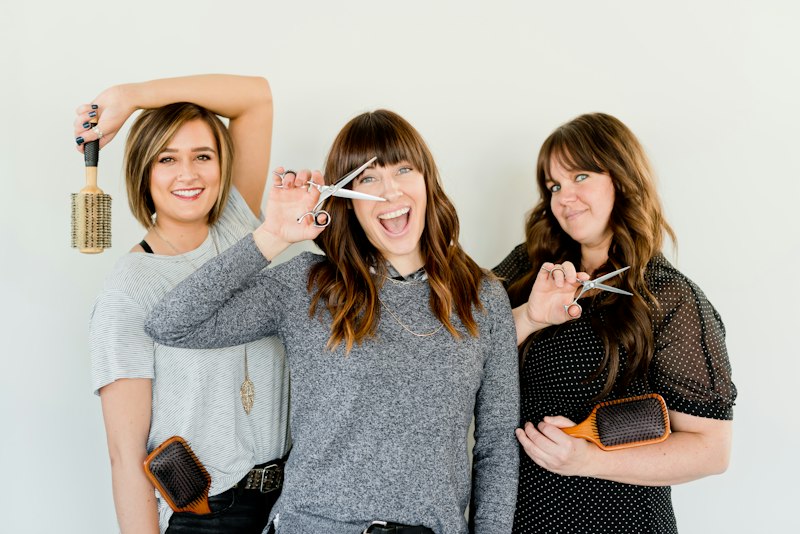
The hair you have at fifty is not the hair you had at twenty — and it shouldn't be cared for the same way. Hair changes with age, and a routine that worked beautifully at one stage can quietly work against you at another.
Why Hair Changes Over a Lifetime
Hair is not static. Across a lifetime, hormones, scalp changes, cumulative exposure, and the hair fiber's own aging shift texture, density, growth rate, and oil production. Puberty, pregnancy, perimenopause, menopause, and the years beyond each bring their own hair biology.
What Commonly Shifts
Texture can change — straight hair may become wavy, or curls looser. Scalp oil production often decreases with age, leaving hair drier. Growth rate and density can slow. Graying changes the fiber's structure, sometimes making it coarser or more resistant. Cumulative exposure adds up in the lengths even as new growth changes at the root.
Why the Old Routine Stops Working
A routine matched to a younger, oilier scalp may over-cleanse an older, drier one. A routine built for denser hair may weigh down thinner hair. The products didn't stop working — the hair and scalp they were matched to changed beneath them. This is biology, behavior, and environment all moving together.
Your hair didn't betray you. It grew up. The routine has to grow up with it.
Adapting With Understanding
Rather than chasing the hair you used to have, understand the hair you have now. Gentle, more moisturizing cleansing for a drier scalp; lighter formulations if density has thinned; protein-aware care if the fiber's texture has changed; and continued scalp-first attention to support the best environment for growth.
When changes are sudden or accompanied by shedding, thinning, or scalp irritation, see a dermatologist or qualified healthcare professional — some shifts have medical causes worth real evaluation.
Frequently Asked Questions
Does hair change as you get older?
Yes. Hormones, scalp changes, cumulative exposure, and the hair fiber's own aging can shift texture, density, growth rate, and oil production across a lifetime — especially around puberty, pregnancy, perimenopause, and menopause.
Why did my hair routine stop working as I got older?
Your hair and scalp changed beneath the routine. A routine matched to a younger, oilier scalp may over-cleanse an older, drier one, or weigh down thinner hair. The products didn't stop working — the hair they were built for changed.
How should I change my hair routine as I age?
Move toward gentler, more moisturizing cleansing for a drier scalp, lighter formulations if density has thinned, and protein-aware care if texture has changed. Match your routine to the hair you have now, not the hair you used to have.
When should I see a professional about hair changes with age?
Seek evaluation if changes are sudden or come with shedding, visible thinning, bald patches, or scalp irritation. Some shifts have medical, hormonal, or nutritional causes worth a dermatologist's evaluation.
Share this article
Dr. Bre Hayward
Phase Theory Beauty Co.
Shop the Science
Products formulated with the actives featured in this article.