Journal
Your Hair Is More Than a Curl Pattern: The Biology Behind What Your Hair Needs
Dr. Bre Hayward
August 26, 2026 · 7 min read · Updated August 26, 2026
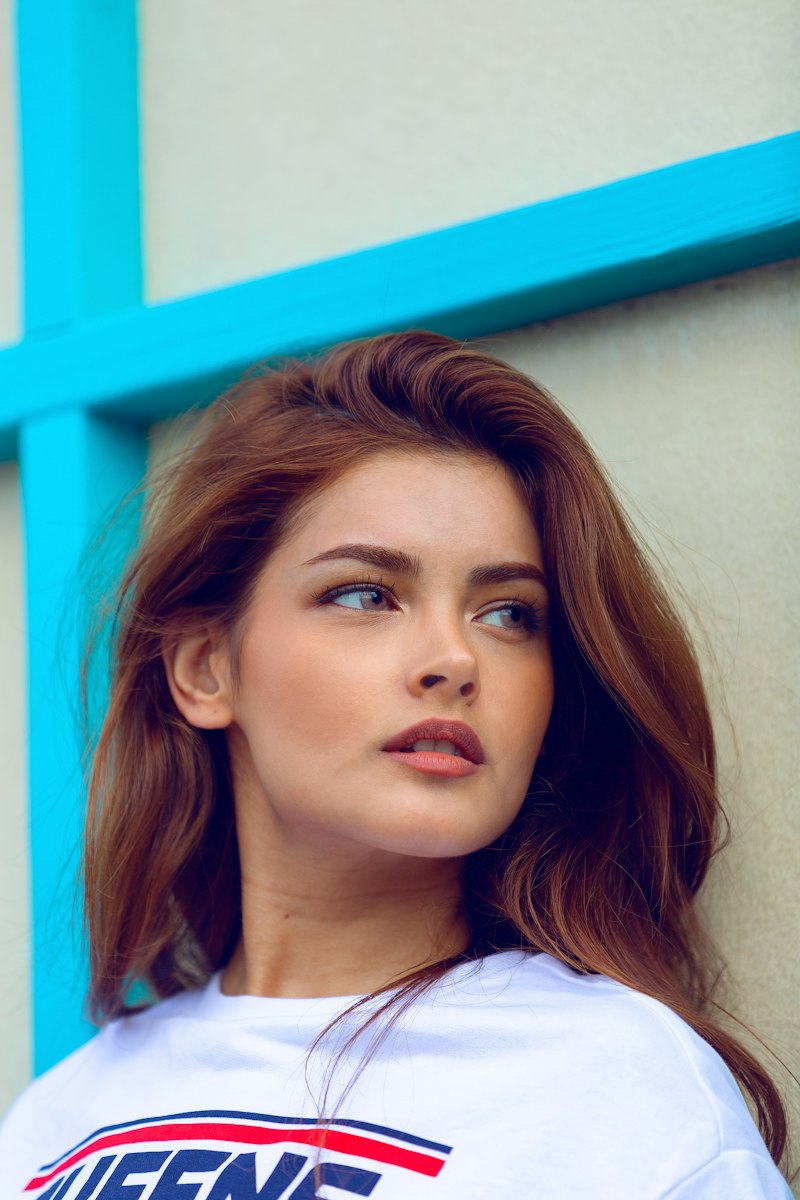
Curl pattern is the most visible thing about your hair — and the least informative. The biology that actually decides what your hair needs sits underneath the surface.
Curl Pattern Is Just the Shape
A curl pattern is the geometric shape of the strand. It tells you how the hair bends, but nothing about how many hairs you have, how thick each one is, how it holds water, or what kind of scalp it grows from.
Follicle Density
Density — how many individual hairs grow per square inch of scalp — is set by your follicles. Two people with the same curl pattern can have very different density, which changes how full the hair looks and how it responds to products and styling.
Fiber Diameter and Structure
Each strand has a diameter — fine, medium, or coarse — and a structure that includes a protective outer layer (the cuticle) and an inner core (the cortex). Finer fibers are more fragile; coarser fibers hold their own weight better. The cuticle's condition affects shine, moisture retention, and how the hair reacts to friction.
Porosity
Porosity describes how well the hair absorbs and holds moisture. It is shaped by genetics and by damage. Hair that takes in water quickly but loses it just as fast needs different care than hair that resists moisture. Porosity often matters more for product choice than curl pattern does.
Scalp Type
The scalp underneath — its oiliness, sensitivity, and barrier — is its own biology. A dry, sensitive scalp with oily lengths needs a fundamentally different routine than an oily scalp with dry ends.
Your curl pattern is the most visible thing about your hair. Your hair biology is the most important.
Together, density, diameter, porosity, and scalp type form a far more accurate picture of what your hair needs than a curl chart ever could. This is the biology layer of understanding hair — the foundation everything else builds on.
Frequently Asked Questions
What hair biology is more important than curl type?
Follicle density, fiber diameter, porosity, and scalp type together tell you far more about what your hair needs than curl pattern alone. They determine volume, fragility, moisture behavior, and scalp care.
Does hair density affect how I should care for my hair?
Yes. Density — the number of hairs per square inch — affects how full hair looks and how products and styling distribute through it. Two identical curl patterns can need different routines because of density differences.
What is hair porosity and why does it matter?
Porosity is how well your hair absorbs and holds moisture. High-porosity hair takes in water fast but loses it quickly; low-porosity hair resists moisture. Porosity often matters more for product choice than curl pattern.
Is scalp type part of hair biology?
Yes. Your scalp's oiliness, sensitivity, and barrier condition are biological and shape your entire routine. A scalp-first approach accounts for scalp biology as well as hair biology.
Share this article
Dr. Bre Hayward
Phase Theory Beauty Co.
Shop the Science
Products formulated with the actives featured in this article.