Journal
Summer Hair Science: What Sun, Sweat, Humidity and Swimming Change
Dr. Bre Hayward
June 17, 2026 · 7 min read · Updated June 17, 2026
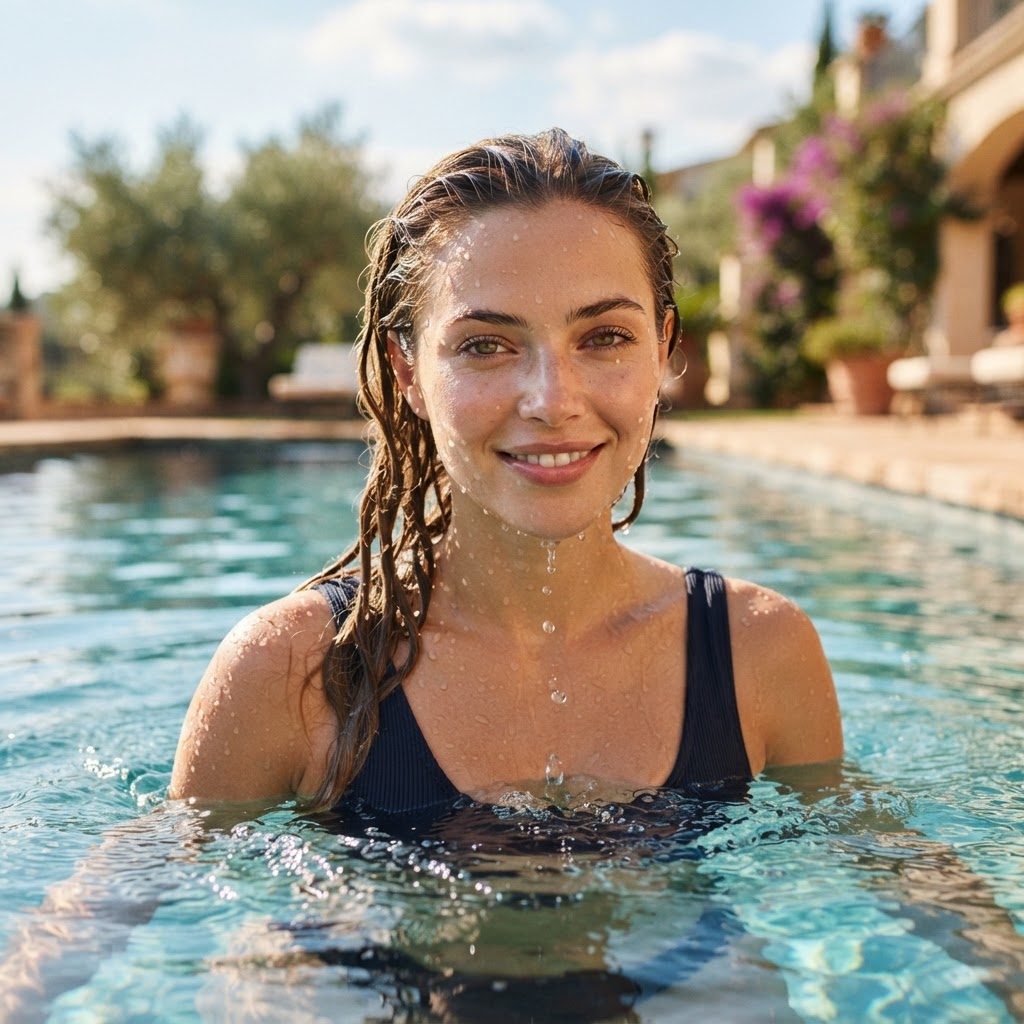
The same head of hair can behave like two completely different heads between January and July. That isn't your imagination — it's environmental science.
Why Summer Changes Everything
Your hair responds to its environment. Summer introduces four major variables your winter routine never had to handle: stronger UV exposure, sweat, higher humidity, and different water chemistry — chlorine in pools, salt in the ocean.
Sun and Your Strands
UV exposure can weaken the hair fiber and degrade its protein structure over time, leaving it more prone to dryness and breakage. Hair that is already lightened or chemically processed is more vulnerable, because its protective layers are already compromised.
Sweat and the Scalp
Sweating is healthy — it's how your body cools itself. But sweat on the scalp mixes with sebum and can shift the scalp's feel and balance, especially under a hat or helmet. A scalp that isn't cleansed regularly through summer can feel itchier and more congested.
Humidity and Moisture
Humidity is water in the air, and hair absorbs it. For some textures, that means welcome softness; for others, it means frizz and shrinkage as the hair takes on uneven moisture and the cuticle lifts. Understanding your hair's porosity helps you predict how it will respond.
Chlorine and Salt Water
Chlorine and salt can be drying and, over time, can affect the feel and integrity of the hair fiber. Rinsing before and after swimming, and protecting the hair when possible, reduces their impact.
Your summer hair routine isn't a new routine. It's your year-round routine, adjusted for a new environment.
A Simple Summer Framework
Rinse or cleanse sweat and salt promptly. Protect hair from direct sun when you can. Moisturize the lengths, since heat and water exposure both pull moisture out. And give the scalp consistent, gentle care — even when your schedule is busier.
Frequently Asked Questions
Does the sun damage your hair?
UV exposure can weaken the hair fiber and contribute to dryness and breakage over time, especially in hair that is already lightened or chemically processed. Protecting hair from prolonged direct sun helps.
How does humidity affect hair?
Humidity adds water to the air, which hair absorbs. This can cause frizz, shrinkage, and uneven texture as the cuticle lifts. Hair with higher porosity tends to absorb humidity faster.
Is chlorine bad for your hair?
Chlorine can be drying and, over time, may affect the feel of the hair fiber. Rinsing before and after swimming and protecting the hair reduces its impact.
How should I change my hair routine in summer?
Cleanse sweat and salt promptly, protect hair from direct sun, moisturize the lengths, and keep the scalp consistently cared for. Think of it as adjusting your routine for a new environment, not starting over.
Share this article
Dr. Bre Hayward
Phase Theory Beauty Co.