Journal
Midlife Hair Changes in Women: A Science-Based Guide to Your 40s and 50s
Phase Theory Research
May 7, 2026 · 9 min read

For many women, the changes in their hair between 40 and 55 are among the most distressing of the perimenopausal transition. What was once predictable — thick, reliable, resilient hair — becomes thinner, slower-growing, and more fragile. This is not inevitable deterioration. It is biology you can understand and strategically address.
The Hormonal Foundation: What Changes in Your 40s
Perimenopause — which can begin as early as the late 30s but typically accelerates in the 40s — is characterized by fluctuating and ultimately declining estrogen levels. Estrogen is profoundly protective for scalp follicles: it extends the anagen phase, counterbalances DHT activity, supports scalp hydration, and maintains the structural integrity of the hair follicle lining. As estrogen declines, all of these protective mechanisms weaken simultaneously.
Progesterone also declines, but often more rapidly and earlier than estrogen, creating a relative 'estrogen dominance' in the early perimenopausal phase, before estrogen itself begins dropping significantly. This hormonal imbalance affects the follicle environment even before classic menopausal symptoms begin.
Hair Texture Changes: The Structural Explanation
Many women in their 40s and 50s notice not just thinning, but a change in hair texture — coarser in some places, finer in others, more prone to frizz, less responsive to products that used to work. This occurs because collagen production in the scalp dermis declines with age, reducing the structural support around follicles. Sebum production also decreases, reducing the natural conditioner that coats the hair shaft and contributes to its pliability and moisture retention.
A Targeted Nutritional Protocol for Midlife Hair
Vitamin D is arguably the most critical nutrient for midlife hair health. Its receptors are present in follicle keratinocytes, and it directly regulates hair cycle initiation. Low vitamin D is associated with hair loss across multiple studies — and deficiency is extremely common in midlife women. Target levels above 50 ng/mL (as 25-OH vitamin D on bloodwork).
Collagen peptides have emerged as meaningful support for midlife hair. Marine collagen supplementation has shown improvements in hair thickness and density in clinical trials, likely by supporting the dermal papilla's connective tissue environment. Vitamin C is essential for collagen synthesis and acts as a potent antioxidant protecting melanocytes.
Biotin, zinc, selenium, and iron (verify ferritin specifically) complete the midlife nutritional framework for hair.
The Phase Theory Approach to Midlife Hair
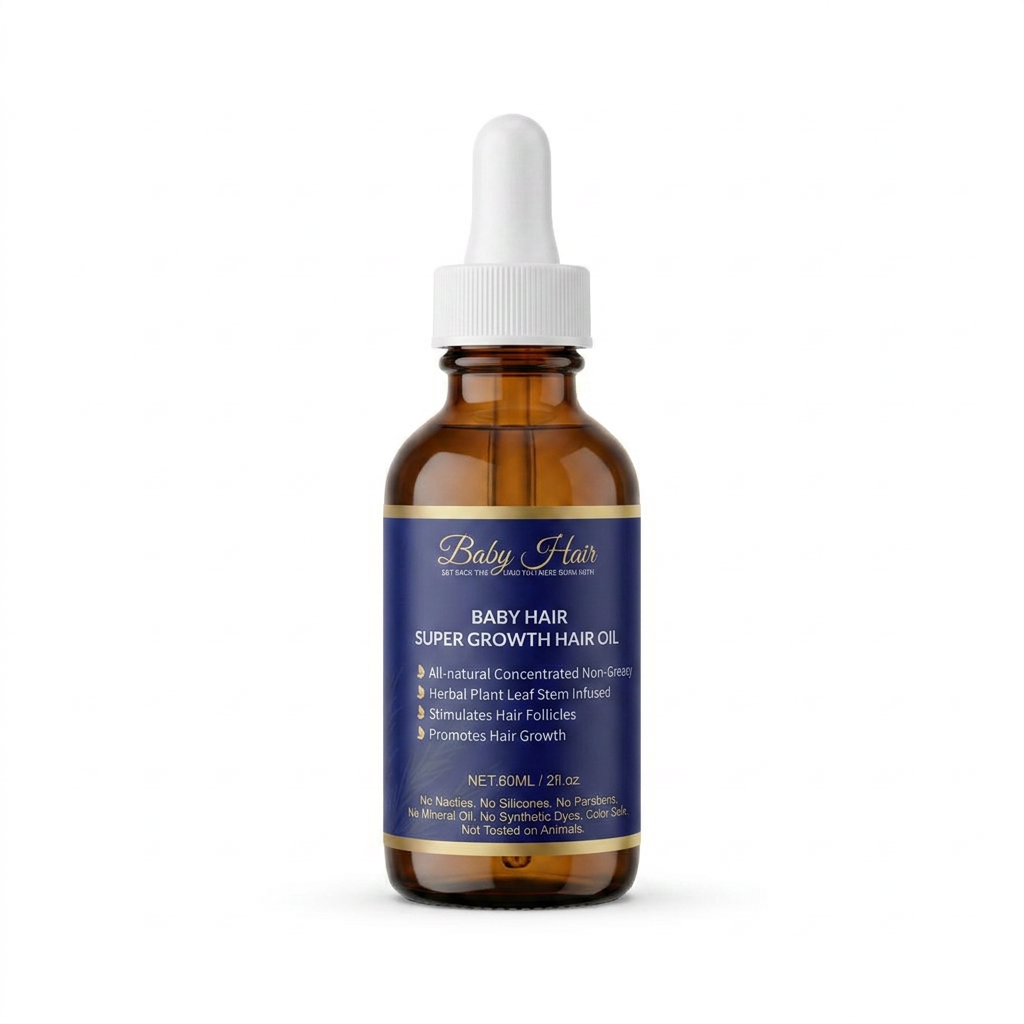
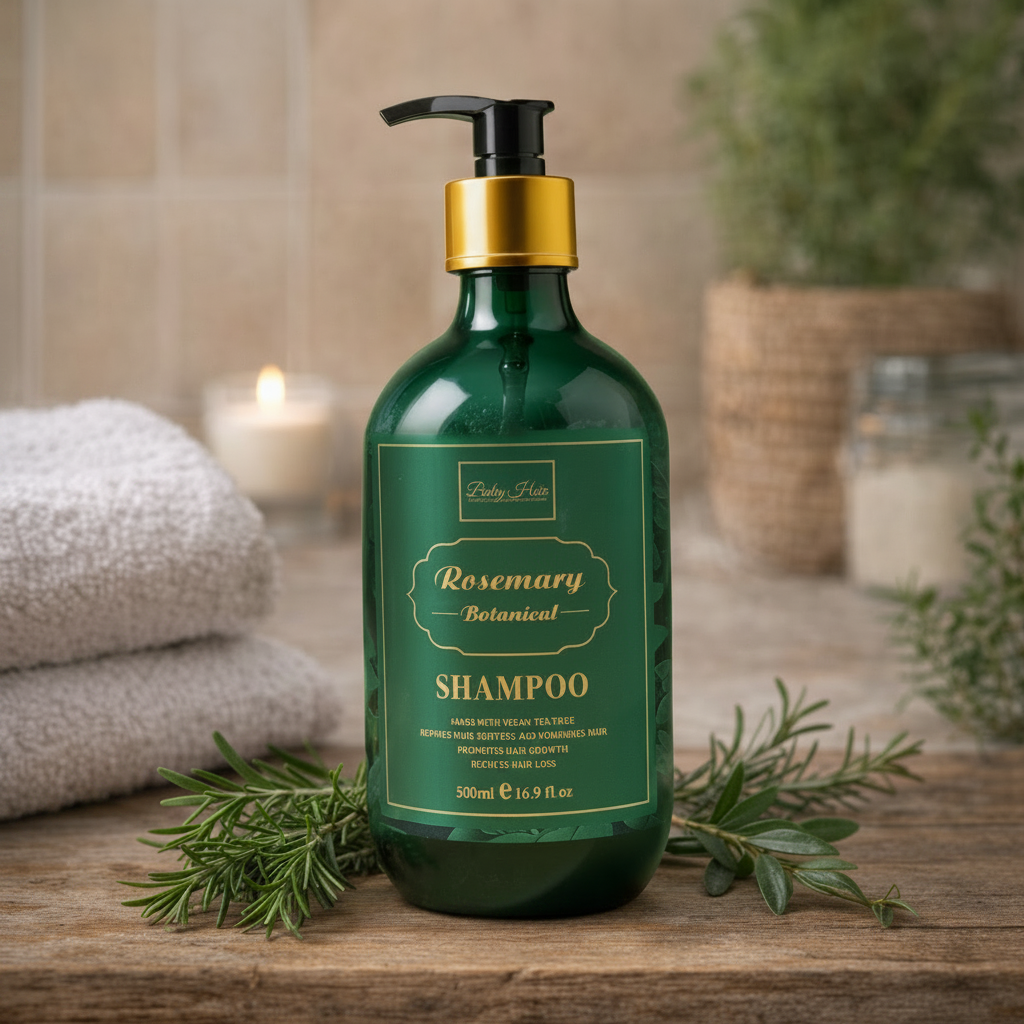
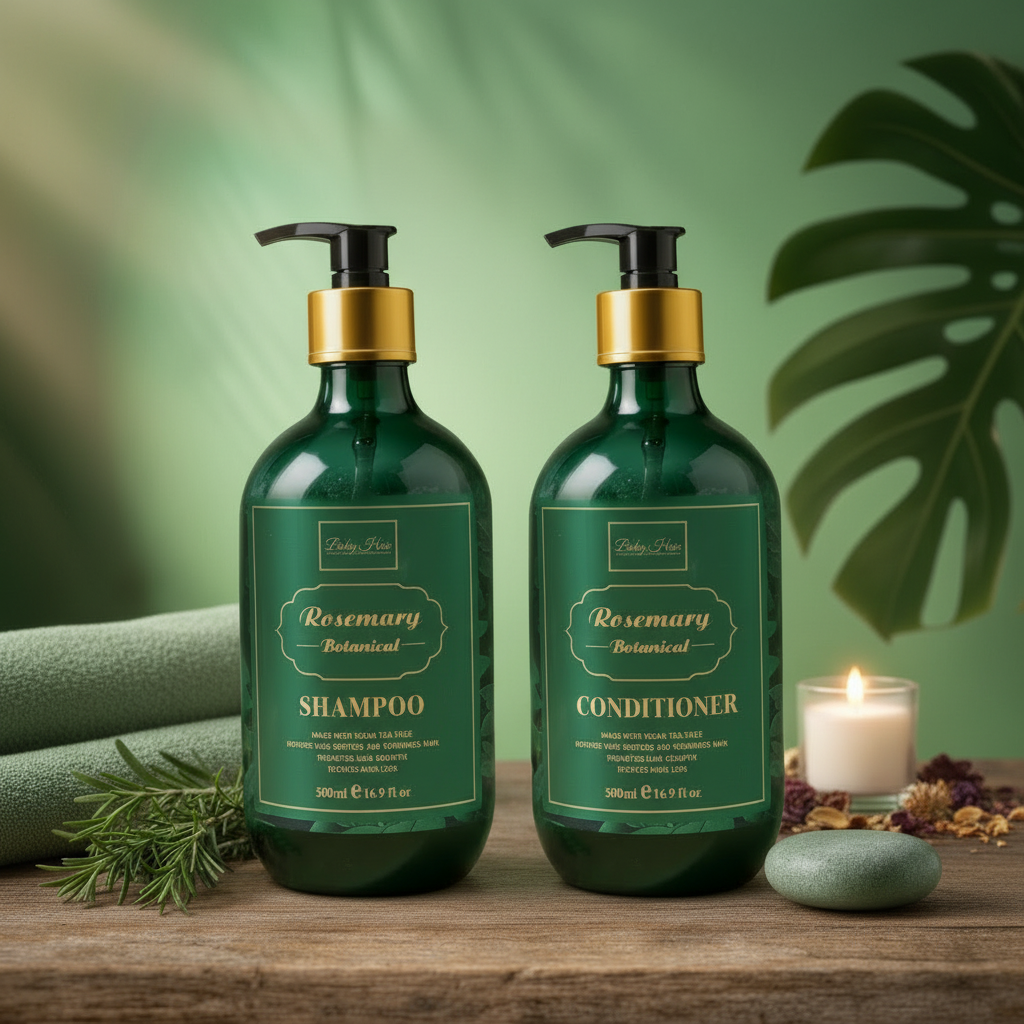
Our Baby Hair formulations address the midlife follicle environment from the outside in — with rosemary inhibiting 5-alpha reductase, seaweed providing mineral replenishment, and peppermint supporting the scalp microcirculation that becomes progressively critical as vascular function declines with age. Pair consistent topical care with targeted nutritional support, and midlife can be the beginning of your best hair era — not the end of it.
Share this article
Phase Theory Research
Phase Theory Beauty Co.
Shop the Science
Products formulated with the actives featured in this article.