Journal
The Evolution of Your Hair: From Adolescence to Adulthood
Phase Theory Baby Hair
March 15, 2026 · 6 min read
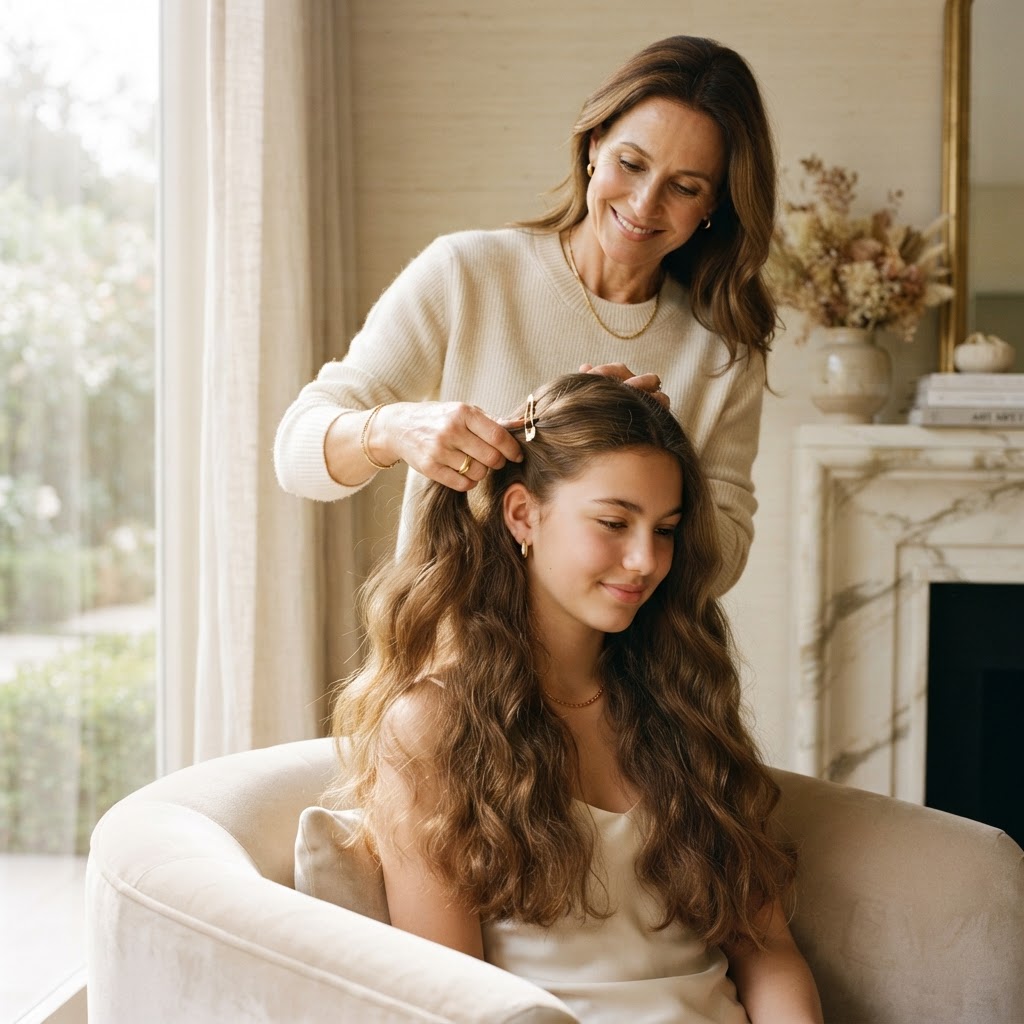
The hair you had at 14 is not the hair you have at 24, 34, or 44. It's a journey we all embark on but seldom discuss in detail — the hair transformation from the vibrant days of adolescence to the maturity of adulthood.
Hormonal shifts, nutritional changes, lifestyle factors, and environmental exposure all combine to transform your hair's texture, density, color, and growth patterns over the course of a lifetime.
The Adolescent Surge
During puberty, testosterone and other androgens surge, activating androgenic hair follicles on the face and body while sometimes increasing scalp oil production. For some, this creates the thickest, most resilient hair they'll ever have. For others genetically predisposed to DHT sensitivity, this same surge marks the beginning of pattern hair loss.
The Adulthood Shift
In the 20s, 30s, and 40s, lifestyle factors become increasingly important. Stress, sleep quality, nutritional status, and metabolic health all directly affect hair. The scalp environment that was resilient at 18 becomes more vulnerable to inflammation, microbial imbalance, and nutrient depletion.
Share this article
Phase Theory Baby Hair
Phase Theory Beauty Co.
Shop the Science
Products formulated with the actives featured in this article.