Journal
Anemia & Hair Loss: How Iron Deficiency Silently Stalls Hair Growth
Phase Theory Research
May 1, 2026 · 8 min read

Of all the nutrient deficiencies linked to hair loss, iron deficiency is the most prevalent, the most frequently missed, and the most impactful. Millions of women experience significant hair shedding without ever knowing low iron is the root cause.
Why Iron Matters for Your Hair
Iron is essential for cellular respiration — the process by which cells convert oxygen into energy. Hair matrix cells, which divide at one of the fastest rates of any cell in the human body, are extraordinarily oxygen-dependent. Without adequate iron, these cells cannot divide efficiently, and hair production slows, weakens, or stops entirely.
Iron also plays a direct role in the synthesis of ribonucleotide reductase, an enzyme critical to DNA replication in the hair follicle. Low iron impairs this enzyme, reducing the follicle's ability to enter and maintain the anagen (growth) phase.
The Ferritin Problem: Why Standard Blood Tests Miss It
Standard hemoglobin tests measure whether you're clinically anemic — but they don't tell the whole story for hair. Research shows that ferritin, the stored form of iron, is the more sensitive marker for hair-related iron insufficiency. Studies by dermatologist Dr. Leonid Trost and others show that ferritin levels below 40 ng/mL correlate with increased hair shedding — and optimal hair growth may require ferritin above 70–80 ng/mL.
Many women are told their iron is 'normal' based on hemoglobin alone, while their ferritin is at 12 or 15 ng/mL — technically above clinical anemia thresholds but far below what the follicle needs to function at full capacity. Ask your physician specifically for a serum ferritin test.
Who Is Most at Risk
Women with heavy menstrual cycles, vegetarians and vegans, postpartum mothers, athletes, and women during perimenopause are particularly vulnerable to iron depletion. Gastrointestinal conditions like Crohn's disease or celiac disease impair iron absorption and can produce persistent deficiency despite adequate dietary intake.
Restoring Iron — And Supporting Regrowth
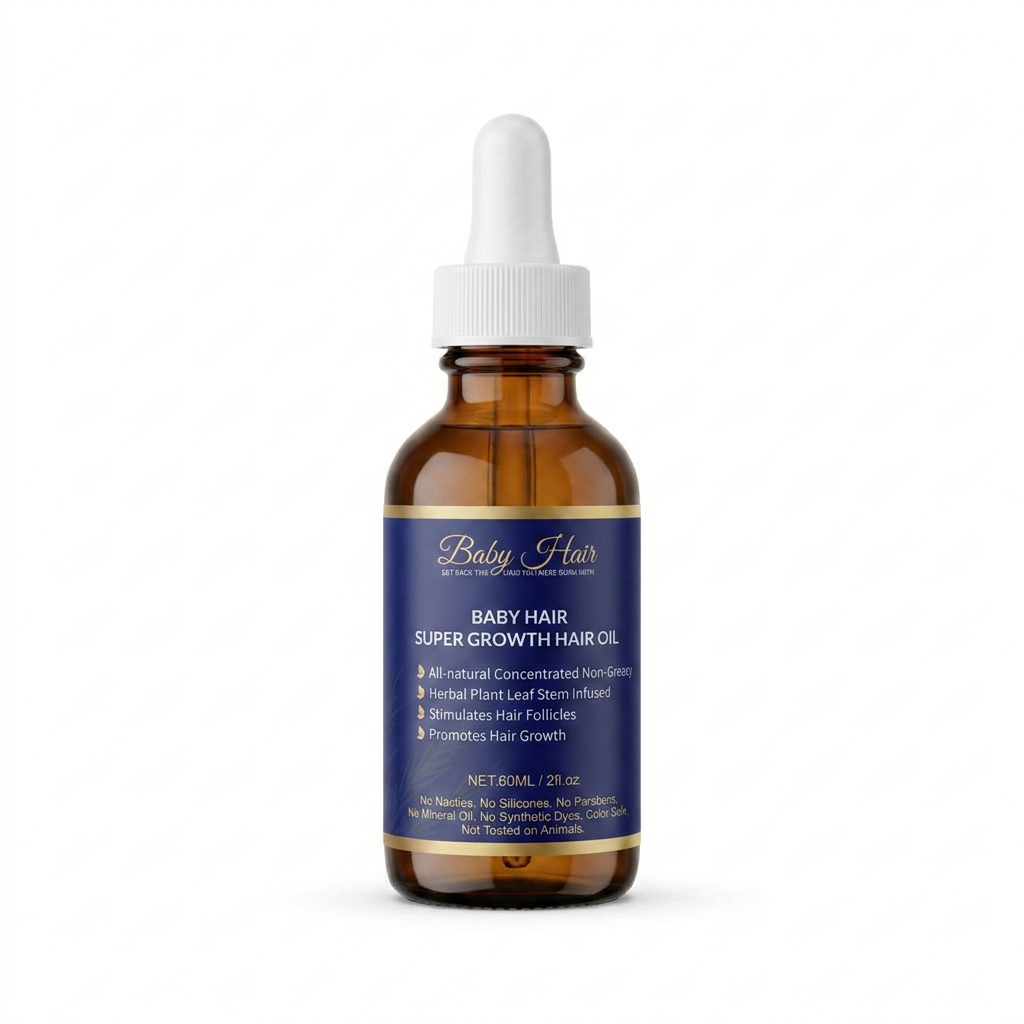
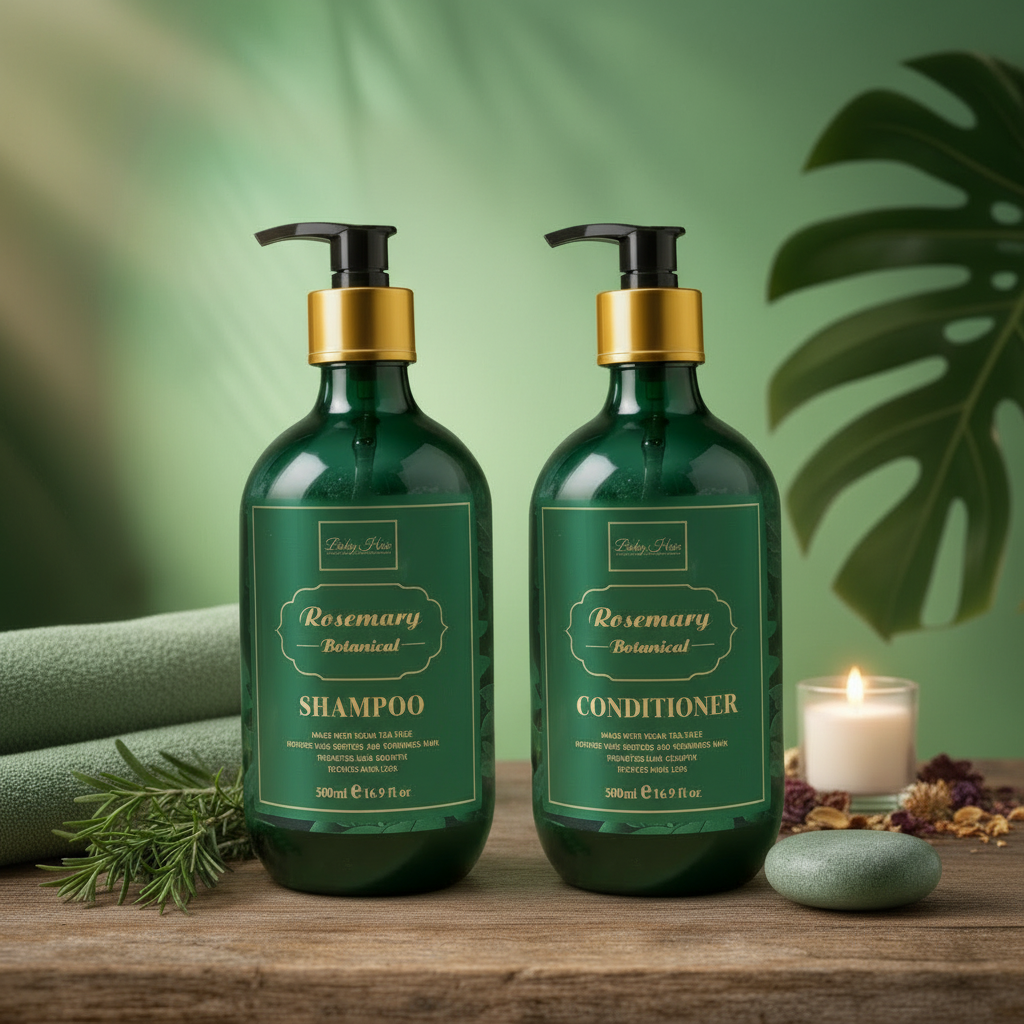
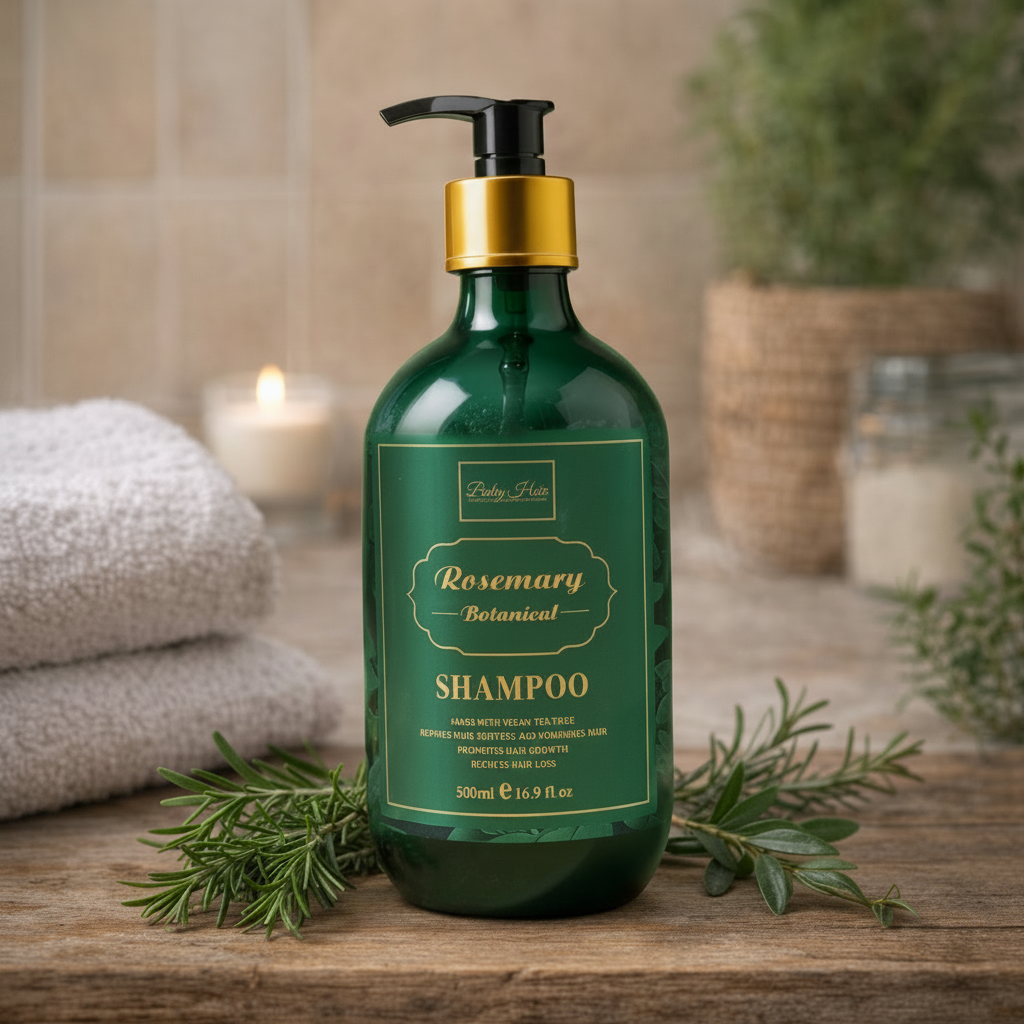
Iron-rich foods (red meat, lentils, dark leafy greens, pumpkin seeds) combined with vitamin C to enhance absorption are the dietary foundation. Iron supplementation under physician guidance can restore ferritin levels within 3–6 months. Topically, rosemary and peppermint support scalp microcirculation to maximize oxygen delivery to follicles even during the recovery period. Phase Theory's Baby Hair formulations were designed with exactly this systemic-topical partnership in mind.
Share this article
Phase Theory Research
Phase Theory Beauty Co.
Shop the Science
Products formulated with the actives featured in this article.