Lesson 2.2
Tender Scalps & Tender Feelings: Comfort First
Written by Dr. Bre Hayward
Learning Objective
Make comfort the operating strategy — read a child's comfort signals accurately, adjust technique, and know when a professional should look.
🎙️ Listen to this lesson
Narrated in a natural voice · prepared the first time you play
Comfort Is the Strategy
Comfort isn't a nice-to-have during childhood hair care — it's the strategy. A child who associates hair care with safety lets you care for their hair for years. Warm water, calm pacing, a full belly, a distraction and a predictable sequence do more for cooperation than any product ever will.
Reading Comfort Signals
Wincing, pulling away, tensing up, sudden stillness — these are technique feedback, not misbehavior. The usual fixes are smaller sections, more slip, slower hands, a different angle, or a pause. Some scalps are genuinely more sensitive; that simply means gentler and shorter sessions, not fewer.
When to Ask for Help
Persistent pain, sores, inflammation, patchy changes or sudden hair shifts are not routine issues — they belong with a pediatrician or dermatologist. Treat professional evaluation as part of good hair care, not a failure of it.
Key Takeaways
Comfort is the strategy — it buys years of cooperation
Wincing and pulling away are technique feedback, not misbehavior
Sensitive scalps need gentler sessions, not fewer
Persistent pain, sores or sudden changes belong with a professional
Why This Matters
How hair feels during childhood shapes how hair care feels during adulthood. Comfort-first practice protects both the child's scalp and their relationship with self-care.
Visual Guide · The Scalp Up Close
Magnified research photography of six scalp appearances. Hover or tap any image to reveal the biology underneath.
For cosmetic-science education only — not a diagnostic tool.
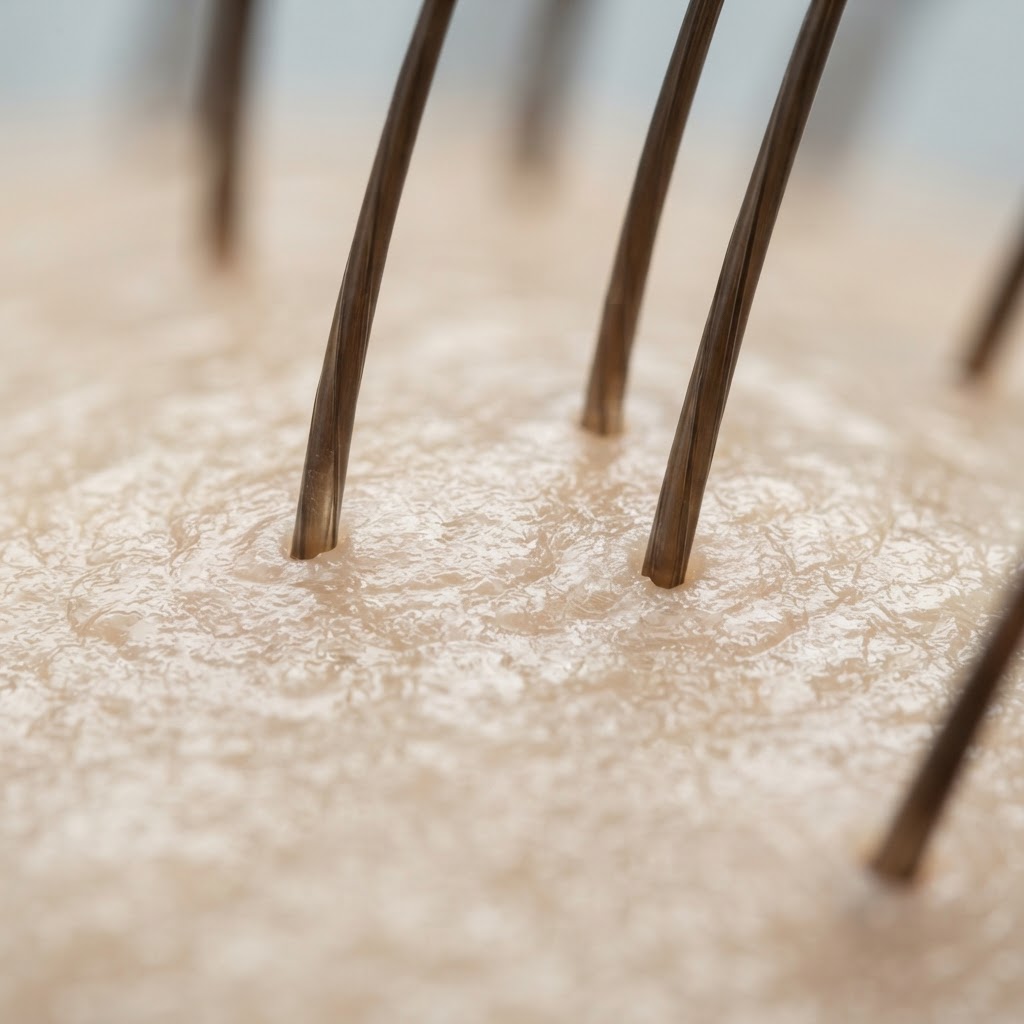
The Baseline
Balanced Scalp
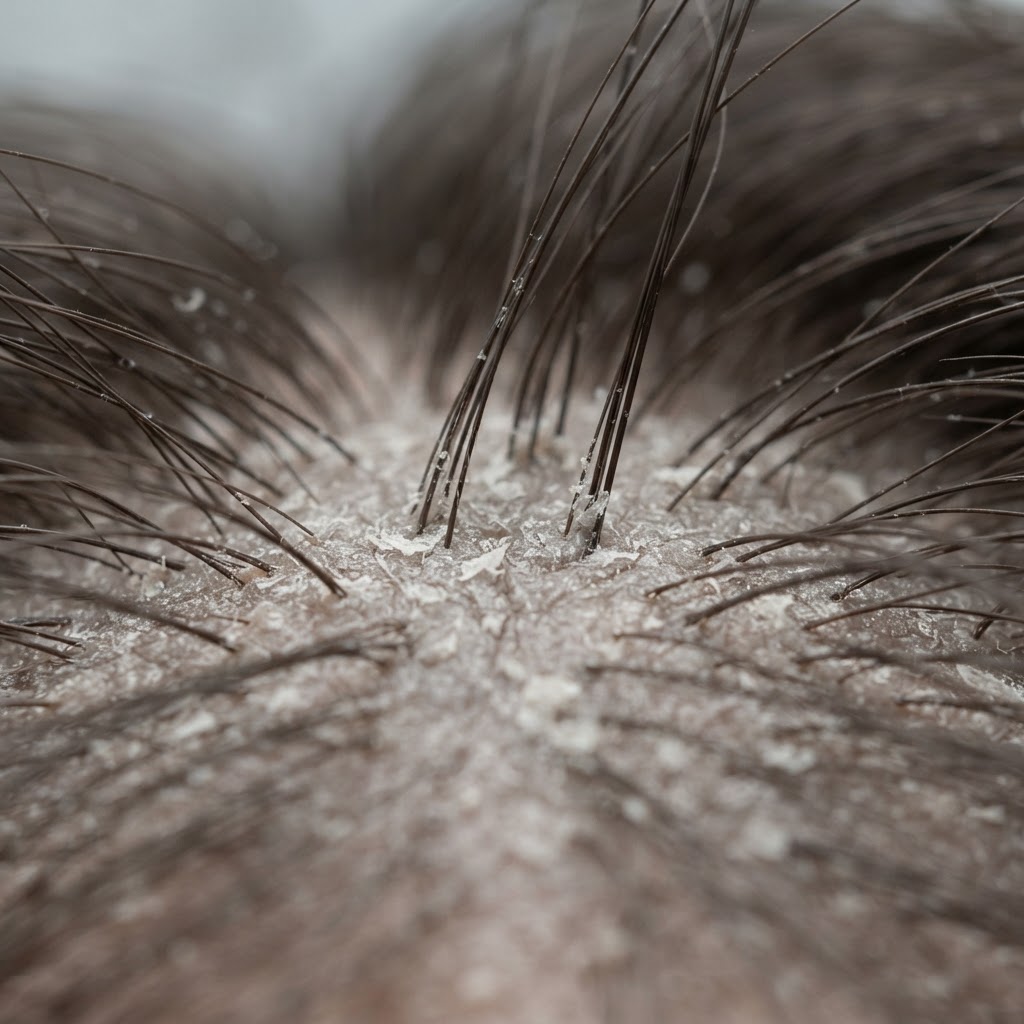
Low Sebum · Barrier Lipids
Dry-Appearing Scalp
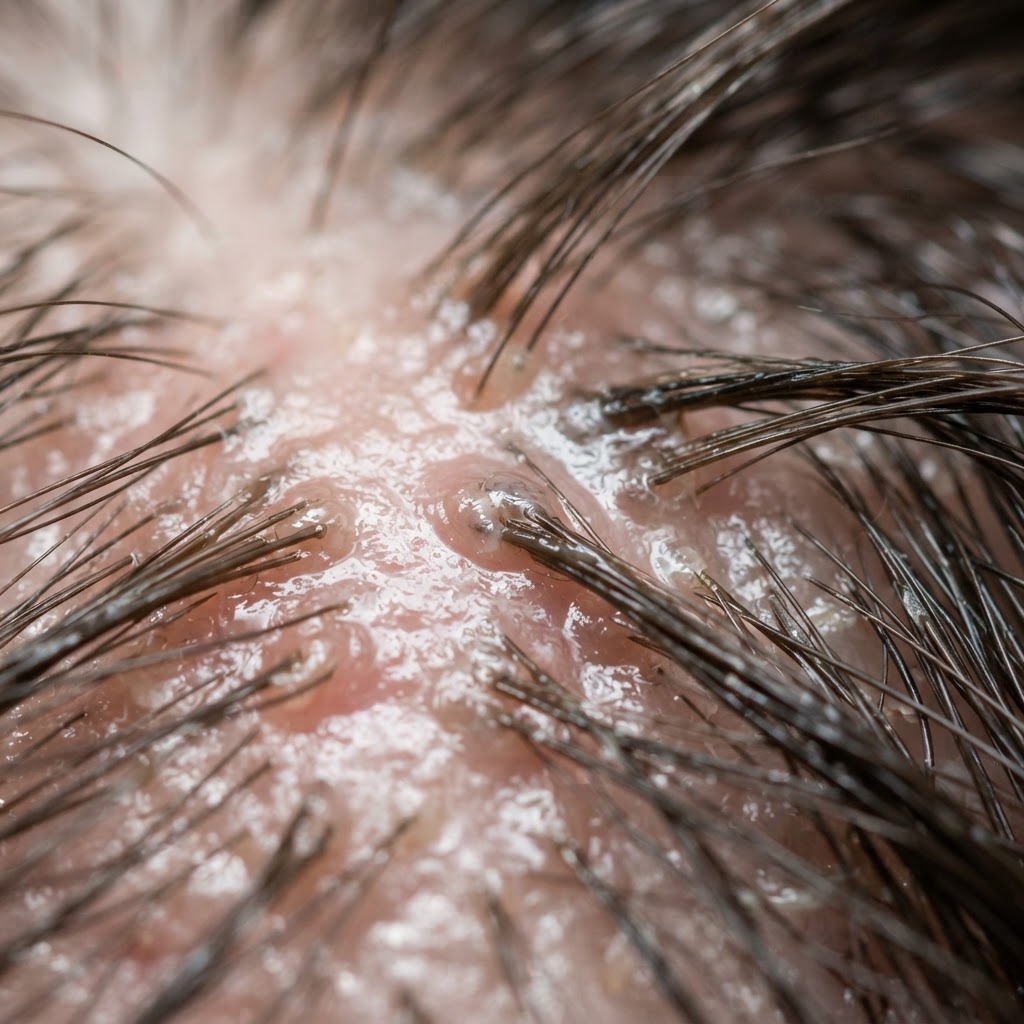
Sebaceous Gland Activity
Oily-Appearing Scalp
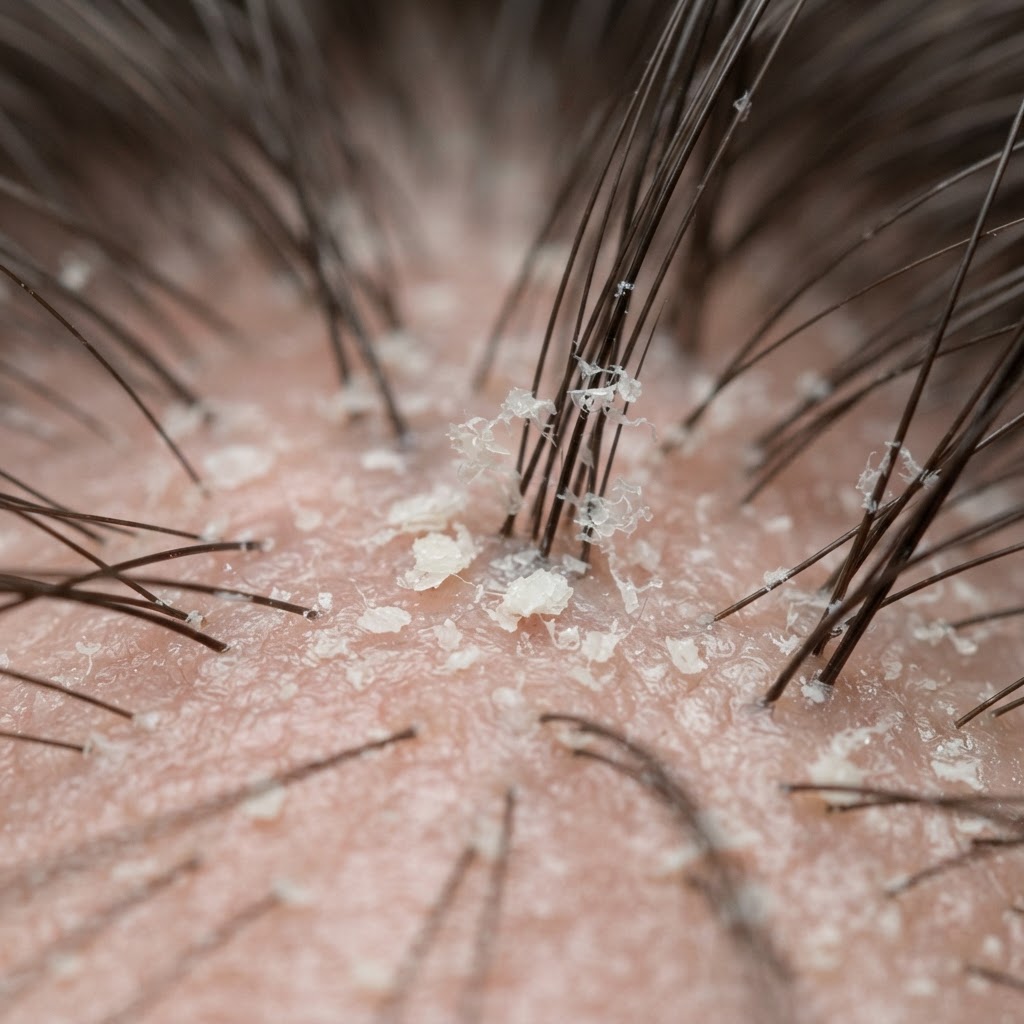
Keratinocyte Turnover
Visible Flaking
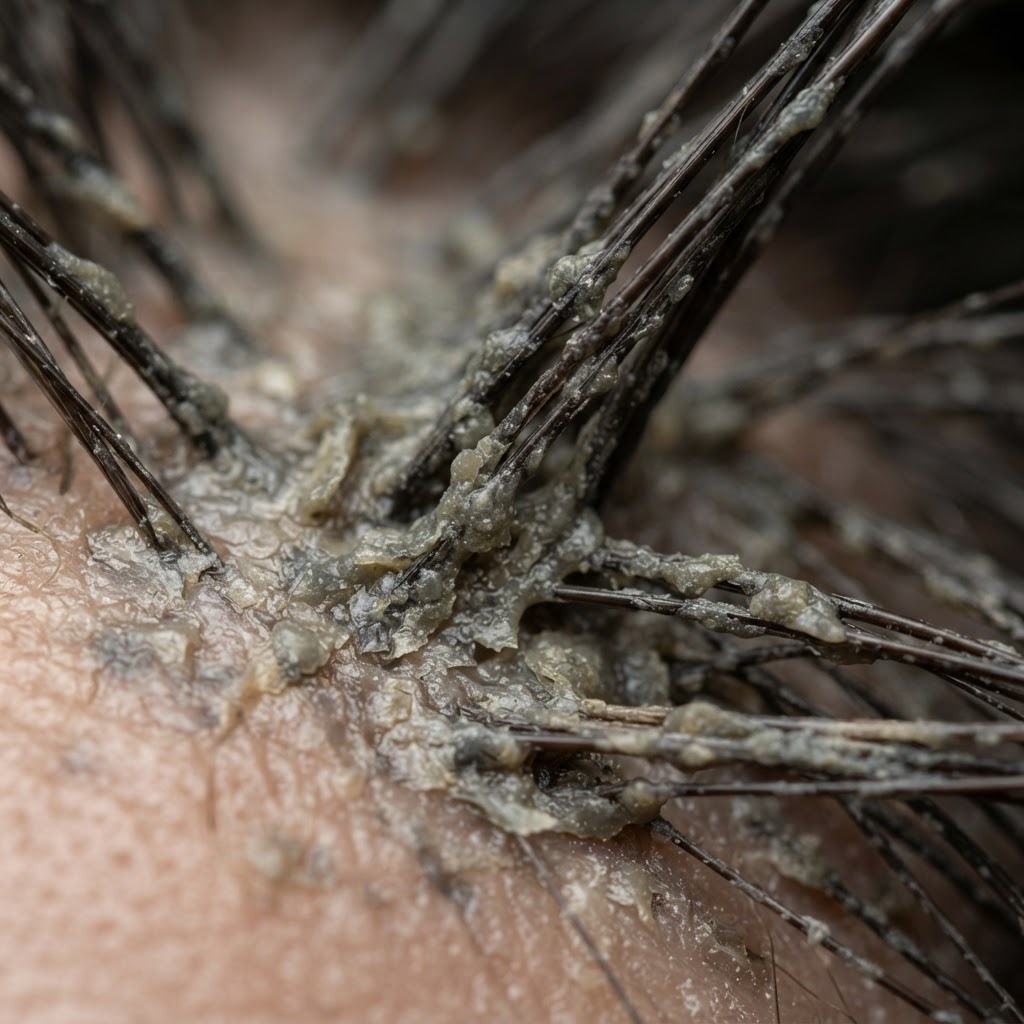
Deposition Chemistry
Product Buildup
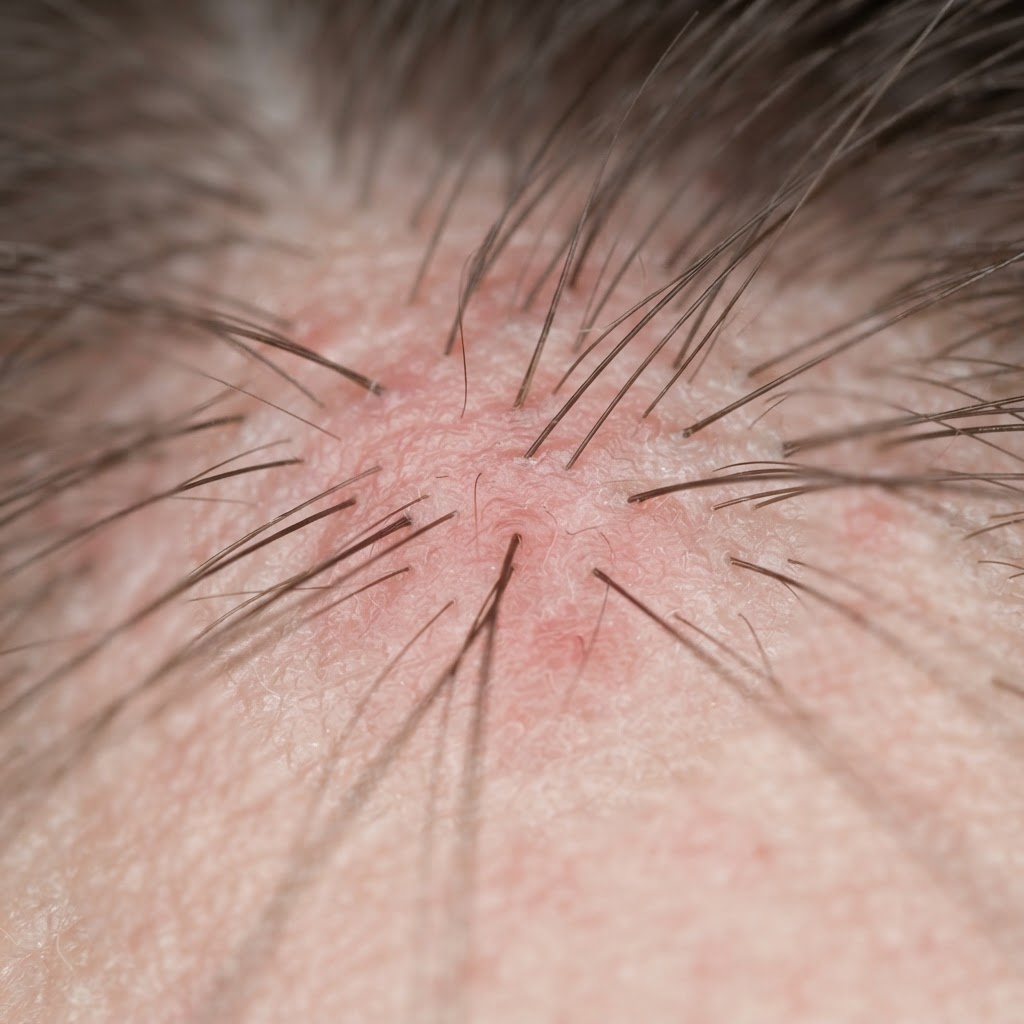
Surface Reactivity
Sensitive-Appearing Scalp
Check Your Understanding
0 of 3 answered
1. Wincing or pulling away during detangling means…
2. Which signals belong with a medical professional rather than a routine change?
3. Comfort-first hair care builds…
Related Science
Related Ingredients
Complete This Lesson First
Work through each step — this lesson unlocks once they're all checked off.
3 steps to go
Create a free account to track your progress and earn a certificate when you finish this track.
Continue to Next Lesson
2.3 · Simple Styles That Protect
🔒 Complete every step of this lesson above to unlock the next lesson.