Lesson 09
Ingredients in Beard Care
Written by Dr. Bre Hayward
Learning Objective
Know what's in your routine — and why: the functional families of beard-care ingredients, and how to read a label by function rather than by 'good' or 'bad.'
🎙️ Listen to this lesson
The Functional Families
Beard labels stop being intimidating once you know the families. Oils and butters — jojoba, argan, grapeseed, castor, shea — bring emollience: they smooth, soften and seal in moisture. Humectants like glycerin and panthenol draw water toward the skin and fiber. Conditioning ingredients keep the fiber flexible and reduce that stiff, wiry feel. Cleansing agents — gentle surfactants like decyl glucoside — lift away sweat, oil and buildup without the aggressive stripping of harsher formulas. Every ingredient on a beard label is doing one of those jobs.
Botanicals, Fragrance & Function
Botanical extracts — rosemary, ginger, tea tree, aloe — appear across beard care for their sensory and conditioning contributions, and the Botanical Research Library covers what the research actually says about each one. Fragrance is a sensory experience, not a performance claim — and it's also where sensitive skin should pay attention, since fragrance is a common comfort variable. Neither category is magic or villain; both are functions to understand.
Function Over 'Good' or 'Bad'
Phase Theory's ingredient philosophy is simple: no ingredient is simply 'good' or 'bad' — ingredients have functions, and formulas have purposes. A rich butter is exactly right for a coarse, dry beard and exactly wrong for someone who hates weight in a short stubble. Instead of memorizing fear lists, ask what each ingredient does, at what amount, for what job — and match that to your beard, your skin and your climate. The Ingredient Library and the Botanical Research Library exist for exactly this: look up the function, skip the drama.
Key Takeaways
Oils and butters bring emollience; humectants draw water; conditioning agents add flexibility
Gentle surfactants like decyl glucoside cleanse without aggressive stripping
Fragrance is a sensory choice and a comfort variable for sensitive skin
No ingredient is simply good or bad — function, amount and purpose decide
Why This Matters
Ingredient literacy is the difference between buying marketing and buying function. A man who reads a label by family and purpose never overpays for a fear list again — and the libraries behind this University do the homework for him.
Visual Guide · The Scalp Up Close
Magnified research photography of six scalp appearances. Hover or tap any image to reveal the biology underneath.
For cosmetic-science education only — not a diagnostic tool.
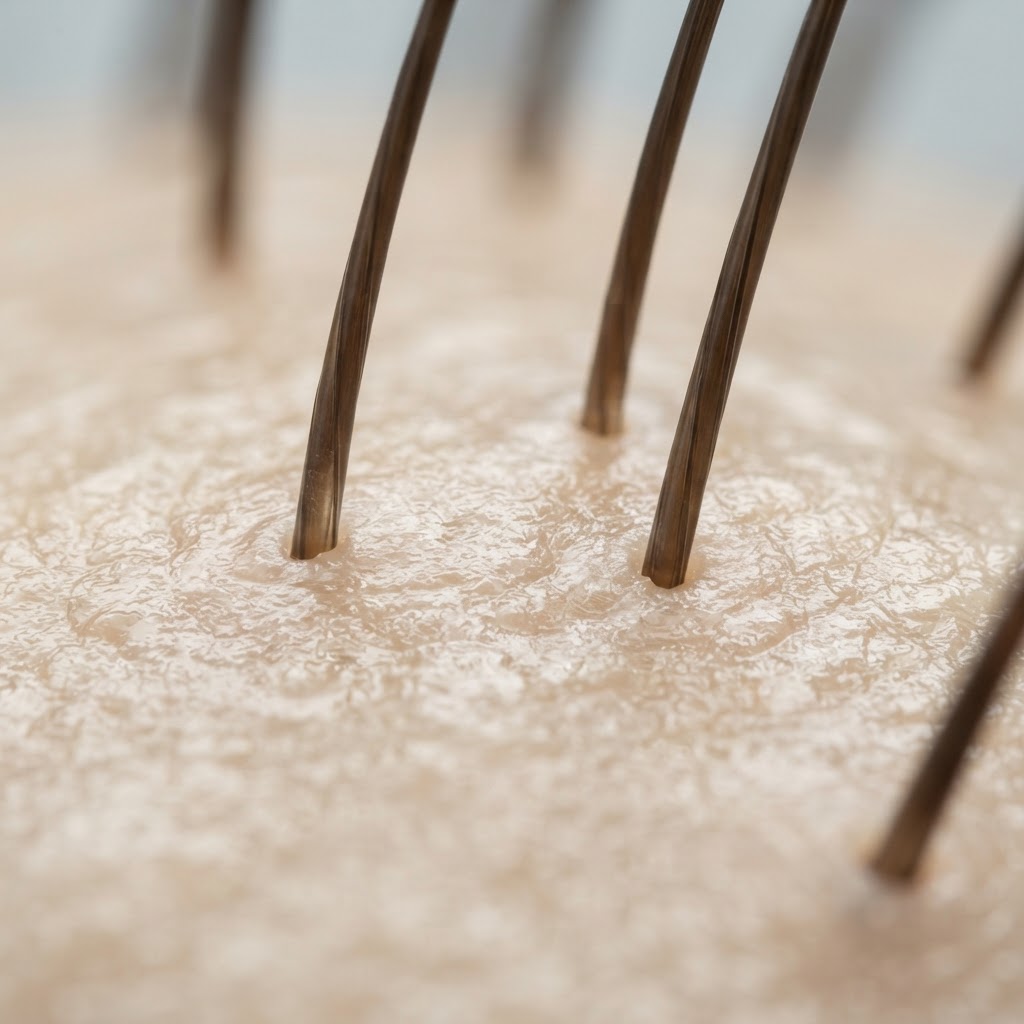
The Baseline
Balanced Scalp
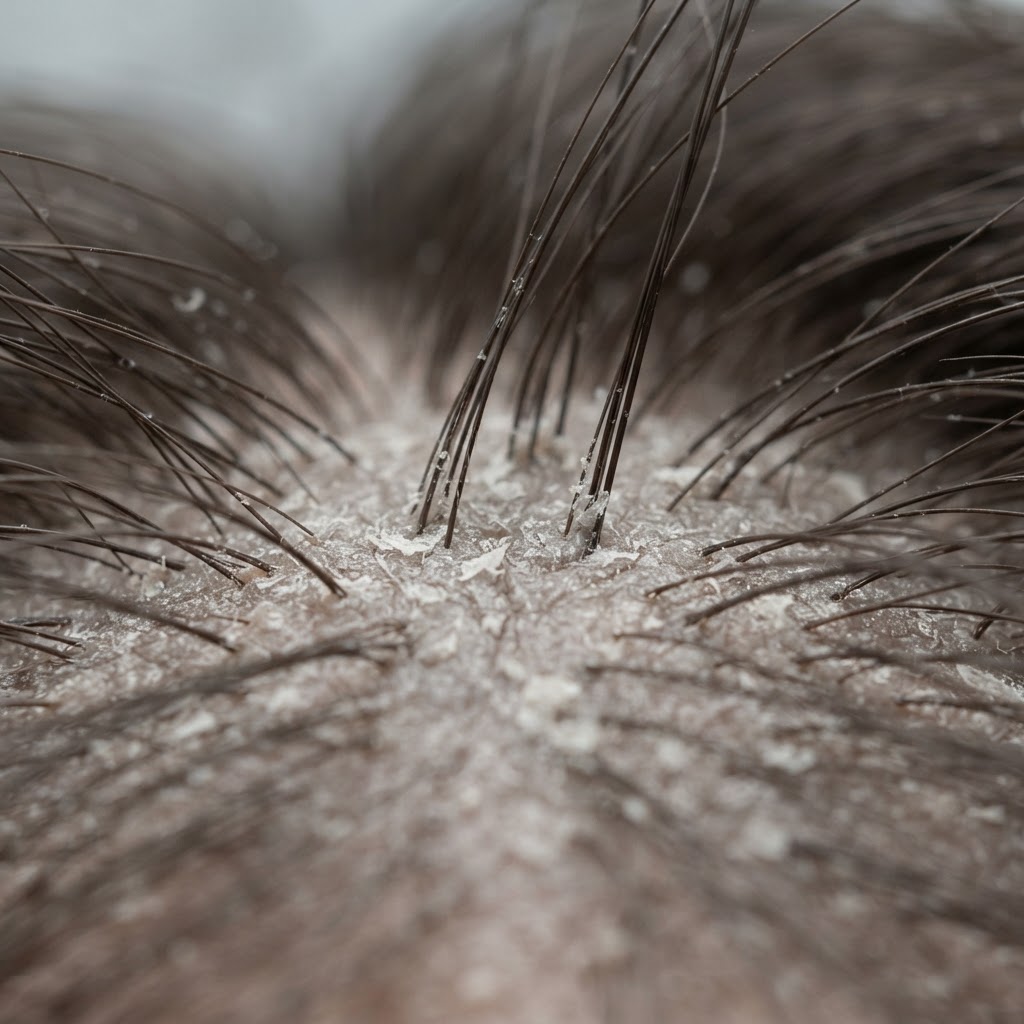
Low Sebum · Barrier Lipids
Dry-Appearing Scalp
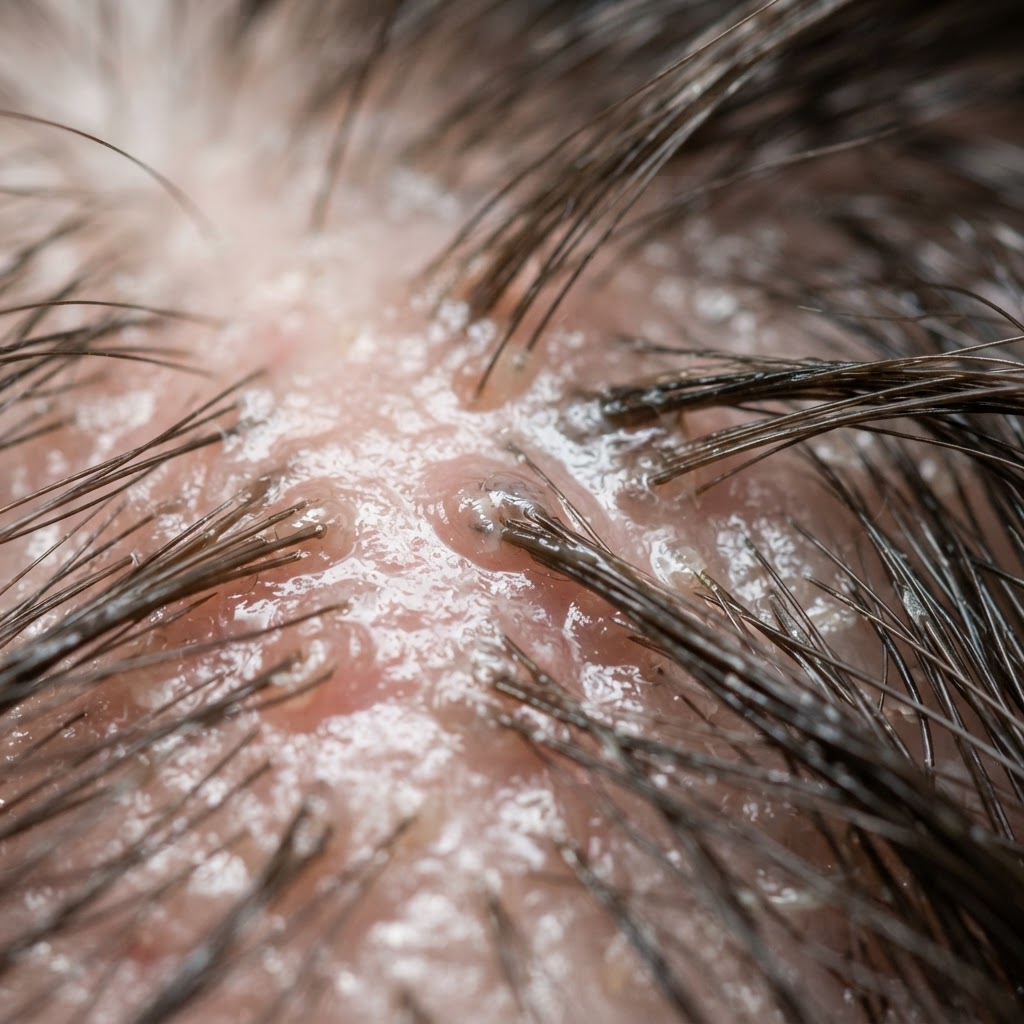
Sebaceous Gland Activity
Oily-Appearing Scalp
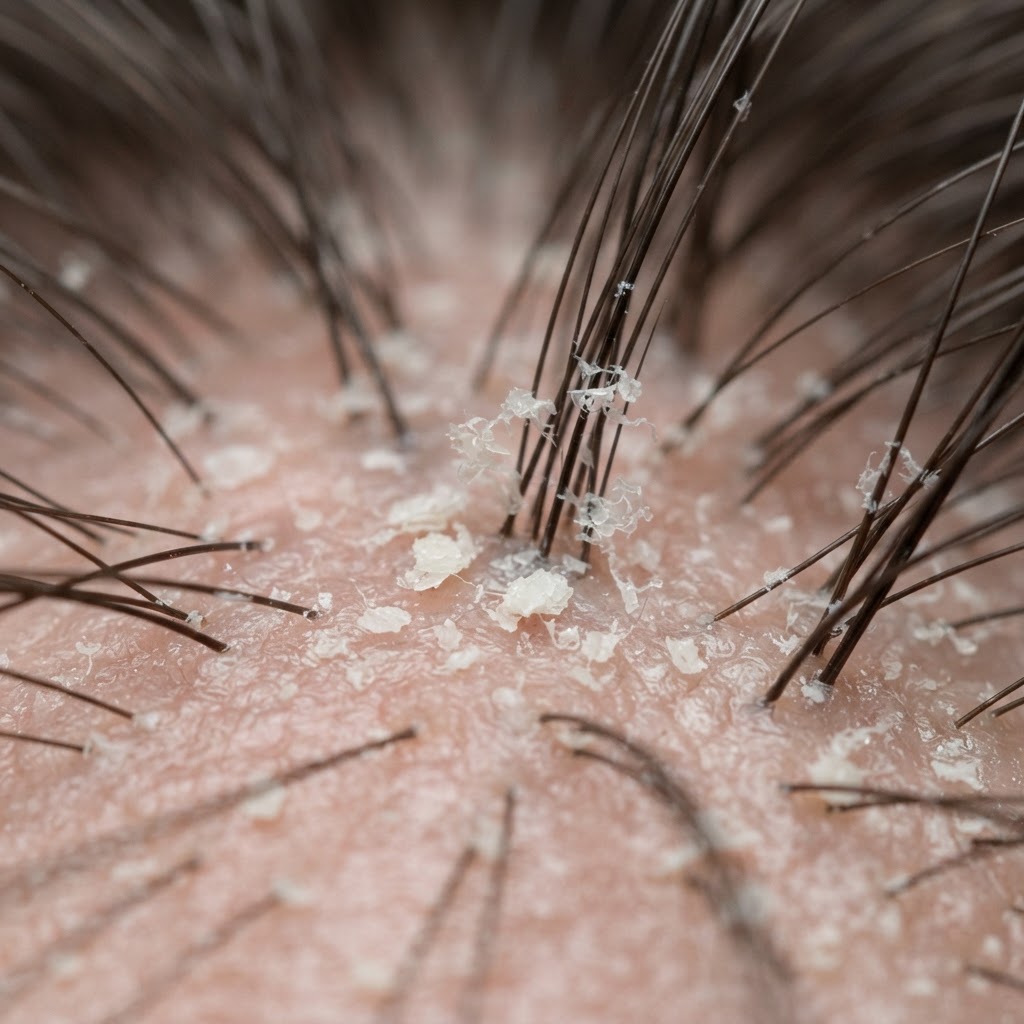
Keratinocyte Turnover
Visible Flaking
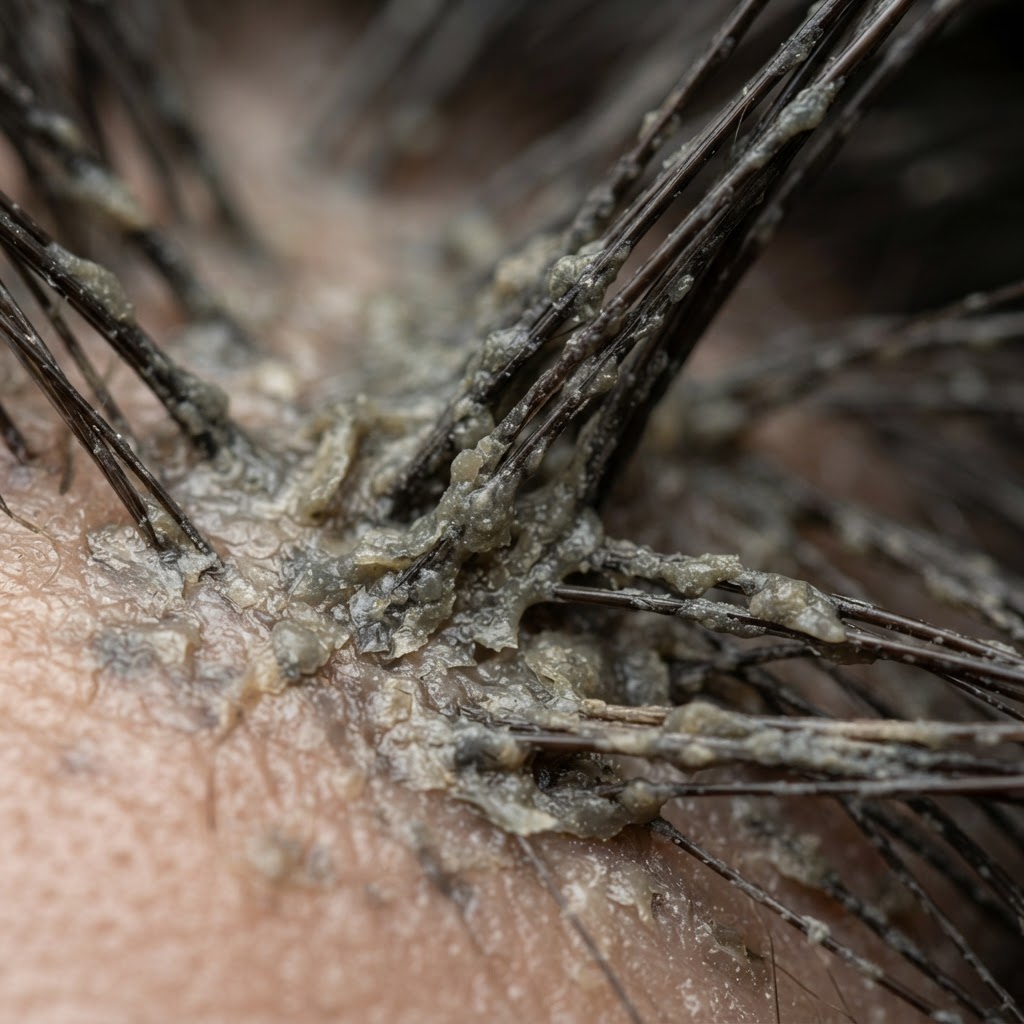
Deposition Chemistry
Product Buildup
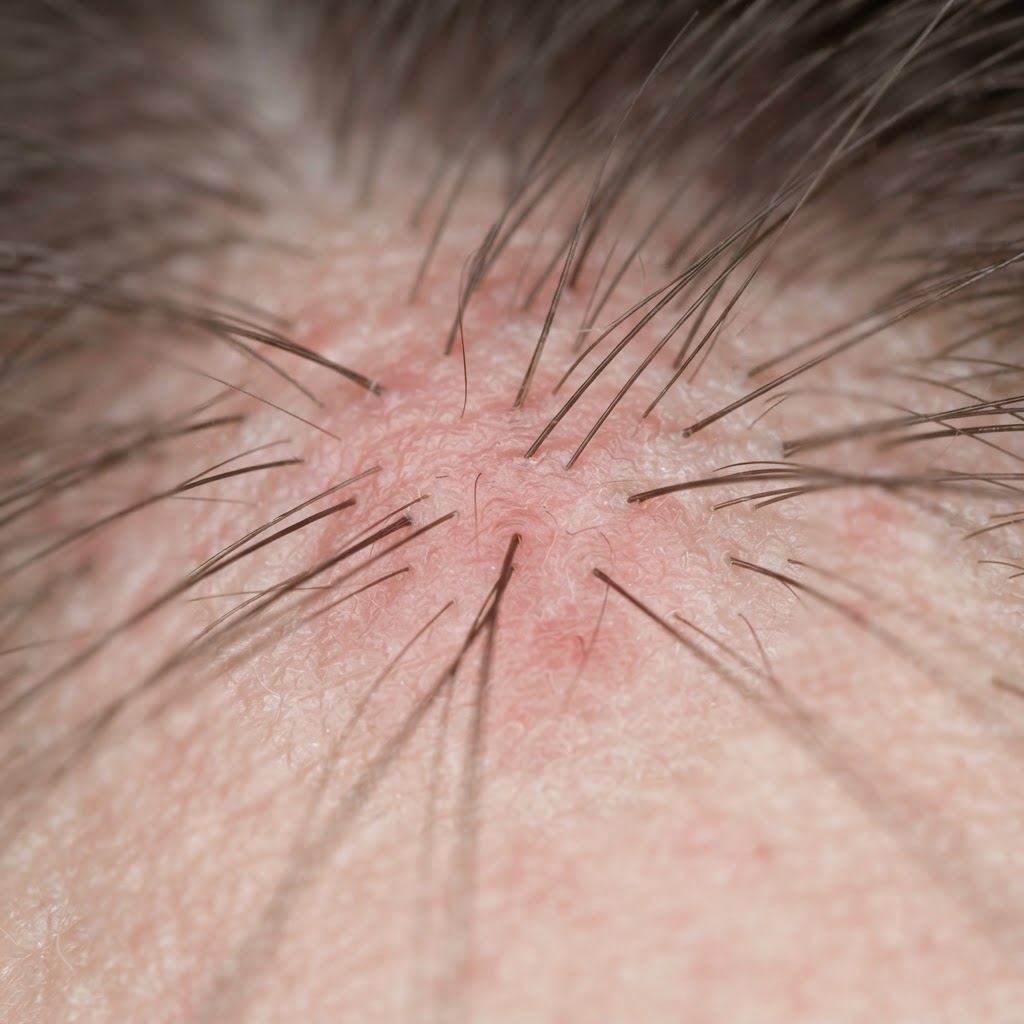
Surface Reactivity
Sensitive-Appearing Scalp
Flip to Remember
4 cards
Say what each term means out loud, then flip the card to check yourself.
Related Science
Related Ingredients
Complete This Lesson First
Work through each step — this lesson unlocks once they're all checked off.
2 steps to go
Create a free account to track your progress and earn a certificate when you finish this track.
Continue to Next Lesson
10 · Build Your Beard Routine
🔒 Complete every step of this lesson above to unlock the next lesson.